
Are Cheap Laptops Worth Buying? A Complete Guide for Nigerian Buyers (2026)
Estimated Reading Time (Full Article): 13–15 minutes
About This Article
This article was prepared by the ELEXBIG Editorial Team.
Our team researches consumer technology, laptop buying trends, and real-world usage patterns to help Nigerians make smarter purchasing decisions. This guide is based on practical experience, long-term value, and the everyday needs of students, professionals, entrepreneurs, and families—not just technical specifications.
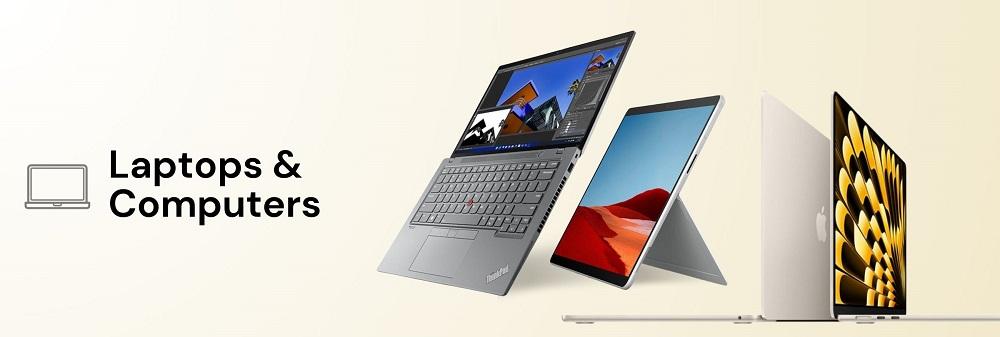
The Biggest Laptop Buying Question in Nigeria
Imagine this.
You need a laptop.
Maybe you're starting university.
Maybe you've just landed a remote job.
Maybe you're learning programming, graphic design, or digital marketing.
You check the prices online...
…and suddenly you find two laptops that look almost identical.
One costs ₦350,000.
The other costs ₦850,000.
Immediately, one question comes to mind:
"Why should I spend more if both can open Microsoft Word and browse the internet?"
It's a fair question.
In fact, it's one of the most common questions Nigerian laptop buyers ask.
The answer isn't simply:
"Cheap laptops are bad."
Because that's not true.
Some affordable laptops offer excellent value.
Others become frustrating after only a few months.
The secret is knowing the difference before you spend your money.
What Does "Cheap Laptop" Actually Mean?
The word cheap can mean different things to different people.
For one buyer, a ₦400,000 laptop feels expensive.
For another, a ₦900,000 laptop is considered affordable.
Instead of focusing on price alone, it's more helpful to think in terms of entry-level, mid-range, and premium laptops.
Generally speaking:
| Category | Typical Buyer |
|---|---|
| Entry-Level | Students, basic home users |
| Mid-Range | Professionals, business owners |
| Premium | Creators, developers, gamers |
A laptop isn't "bad" simply because it's affordable.
The real question is:
Can it comfortably handle the work you expect it to do?
Why Cheap Laptops Are So Popular in Nigeria
There are obvious reasons.
Laptop prices have increased significantly in recent years.
Exchange rates.
Import costs.
Inflation.
These factors have pushed many Nigerians to look for more affordable options.
At the same time:
- Students need laptops for school.
- Small businesses need them for work.
- Freelancers need them to earn income.
- Families need them for learning and entertainment.
Budget matters.
That makes affordable laptops attractive—but also increases the risk of buying the wrong one.
The Biggest Myth About Cheap Laptops
Many people believe:
"If it turns on, it's good enough."
Unfortunately, that's often how disappointment begins.
A laptop can:
- Boot successfully
- Connect to Wi-Fi
- Open Chrome
…and still struggle with everyday tasks.
Real performance isn't measured by whether the laptop works.
It's measured by how comfortably it works.
The Cost of Buying the Wrong Laptop
A cheap laptop that can't keep up with your work isn't actually cheap.
Imagine spending less today...
Then dealing with:
- Constant freezing
- Slow startup
- Battery problems
- Limited storage
- Poor multitasking
Eventually, you spend more upgrading—or replacing it entirely.
Sometimes the "cheaper" option becomes the more expensive decision.
A Real-Life Nigerian Example
Let's imagine two university students.
Both have similar budgets.
Student A buys the cheapest laptop available.
Student B spends slightly more after researching the specifications carefully.
One year later:
Student A struggles during online exams because the laptop slows down when multiple browser tabs are open.
Student B continues using the laptop comfortably for assignments, presentations, and video meetings.
The difference wasn't luck.
It was buying the right laptop—not simply the cheapest one.
When Cheap Laptops Make Perfect Sense
Here's something many reviews won't tell you.
Affordable laptops are not a bad choice for everyone.
In fact, they can be an excellent investment if your needs are simple.
For example:
- Typing assignments
- Browsing the internet
- Watching YouTube
- Sending emails
- Attending online classes
- Using Microsoft Office
For these tasks, you may not need a high-end machine.
Paying for features you'll never use isn't good value either.
When a Cheap Laptop Becomes a Problem
The situation changes if you plan to use demanding software.
For example:
- Video editing
- Graphic design
- Programming
- 3D modelling
- Music production
- Gaming
- Running virtual machines
These activities require stronger hardware.
An entry-level laptop may struggle or become frustrating over time.
The Real Question Isn't "Cheap or Expensive"
Instead, ask:
"What work do I expect this laptop to do?"
That's the question experienced buyers ask first.
Everything else comes after.
Understanding Value Instead of Price
Many Nigerians naturally focus on price.
That's understandable.
But value is different.
Think about these two examples.
Laptop A
Costs less today.
Needs replacing after two years.
Laptop B
Costs more today.
Works comfortably for five years.
Which one was actually cheaper?
That's why smart buyers think beyond today's price tag.
A Better Way to Compare Laptops
Instead of asking:
"Which laptop is cheapest?"
Compare these factors:
| Factor | Why It Matters |
|---|---|
| Processor | Overall speed |
| RAM | Multitasking |
| Storage Type | SSD vs HDD affects responsiveness |
| Battery Life | Productivity away from power |
| Build Quality | Durability |
| Upgrade Options | Extending lifespan |
Notice something?
Price isn't even on the list.
That's because good value comes from the right balance—not simply the lowest number.
Questions You Should Ask Before Buying
Before choosing any laptop, ask yourself:
- What will I actually use this laptop for?
- Will my needs grow in the next two years?
- Do I multitask often?
- Do I travel frequently?
- Do I need long battery life?
- Am I buying for school, work, or entertainment?
Your answers will guide you toward the right category.
ELEXBIG Editorial Insight
One of the biggest mistakes we see in the Nigerian laptop market is buyers trying to save money by buying less laptop than they actually need.
Ironically, they often spend more later through upgrades, repairs, or replacement.
At the same time, many people also overspend on powerful laptops they'll never fully use.
The smartest purchase isn't the cheapest laptop.
It isn't the most expensive laptop either.
It's the laptop that comfortably handles your work today and still meets your needs a few years from now.
Explore Laptops on ELEXBIG
Compare laptops across different brands, specifications, and price ranges on ELEXBIG to find one that matches your budget and workload.
Computers & Laptops:
https://elexbig.com/product-categories/computers-laptops
A Laptop Isn't Expensive or Cheap Until You Know What You Need
One mistake many buyers make is assuming that a higher price automatically means a better purchase.
It doesn't.
A ₦1 million laptop can be a poor investment if you only use it for emails and Microsoft Word.
Likewise, a ₦350,000 laptop can become frustrating if you're editing 4K videos or writing software every day.
The right question isn't:
"How much does it cost?"
It's:
"Can it comfortably handle my daily work?"
Let's compare where the differences actually matter.
Performance — Where You'll Notice the Biggest Difference
Performance affects everything you do.
- Opening applications
- Browsing the web
- Switching between programs
- Video calls
- File transfers
Everyday Performance Comparison
| Task | Entry-Level Laptop | Mid/Premium Laptop |
|---|---|---|
| Microsoft Word | Excellent | Excellent |
| Web Browsing | Good | Excellent |
| Online Classes | Good | Excellent |
| Heavy Multitasking | Limited | Excellent |
| Video Editing | Poor | Excellent |
| Programming | Basic | Excellent |
| Gaming | Limited | Excellent |
ELEXBIG Insight
If your daily work is mostly web browsing, Office applications, and online meetings, an affordable laptop may be more than enough.
If your work earns you money—such as graphic design, programming, or video editing—better performance often pays for itself.
SSD vs HDD — One of the Biggest Differences
Many buyers focus on RAM while ignoring storage.
That's a mistake.
A laptop with an SSD often feels dramatically faster than one using an older HDD.
SSD vs HDD
| Feature | SSD | HDD |
|---|---|---|
| Boot Speed | Very Fast | Slower |
| App Loading | Fast | Moderate |
| Durability | Better | Lower |
| Noise | Silent | Mechanical noise |
| Overall Experience | Smoother | Can feel sluggish |
If you're choosing between:
- More storage with an HDD
- Less storage with an SSD
For most users, the SSD is usually the smarter choice.
RAM — How Much Do You Really Need?
RAM helps your laptop handle multiple tasks at once.
Here's a simple guide.
| RAM | Suitable For |
|---|---|
| 4GB | Basic browsing and documents |
| 8GB | Students, office work, multitasking |
| 16GB | Creators, programmers, professionals |
| 32GB+ | Advanced editing and specialized workloads |
Editorial Advice
For most Nigerians buying a new laptop today, 8GB RAM should be considered the practical starting point.
It provides a smoother experience and leaves room for future needs.
Battery Life
Power supply remains unpredictable in many parts of Nigeria.
Battery performance matters.
Comparison
| Category | Budget Laptop | Premium Laptop |
|---|---|---|
| Everyday Battery | Good | Excellent |
| Fast Charging | Limited | Better |
| Battery Optimisation | Basic | More Advanced |
Keep in mind that battery life also depends on:
- Screen brightness
- Running applications
- Wi-Fi usage
- Battery health
Build Quality
A laptop travels with you.
To lectures.
Meetings.
Business trips.
Coffee shops.
Build quality affects how well it survives daily life.
Comparison
| Feature | Budget | Premium |
|---|---|---|
| Plastic Construction | Common | Less common |
| Aluminium Build | Rare | More common |
| Keyboard Feel | Basic | Better |
| Trackpad | Functional | More precise |
A stronger build doesn't just look better—it often lasts longer.
Online Meetings & Remote Work
Since remote work has become more common, many Nigerians rely on laptops for:
- Zoom
- Microsoft Teams
- Google Meet
Entry-level laptops can handle these tasks well, provided they have enough RAM and a modern processor.
However, if you often share your screen, run multiple applications, or attend long meetings, a more capable laptop offers a noticeably smoother experience.
Which Laptop Fits Different Users?
University Student
Daily Tasks:
- Assignments
- Browsing
- Online classes
- Presentations
Recommendation: Entry-level or mid-range laptop with SSD and at least 8GB RAM.
Office Worker
Daily Tasks:
- Microsoft Office
- Video meetings
- Browsing
Recommendation: Mid-range laptop for better multitasking and reliability.
Small Business Owner
Daily Tasks:
- Accounting
- Inventory
- Marketing
- Customer communication
Recommendation: Mid-range laptop with fast SSD storage.
Programmer
Daily Tasks:
- Coding
- Development tools
- Multiple browser tabs
- Testing software
Recommendation: Mid-range or premium laptop depending on project complexity.
Content Creator
Daily Tasks:
- Photoshop
- Premiere Pro
- Canva
- Video editing
Recommendation: Premium laptop with stronger processor and more RAM.
The Hidden Cost of Buying Too Cheap
Here's something many buyers don't calculate.
Suppose you buy a laptop because it's the cheapest option.
Within a year:
- Storage becomes full.
- Performance slows.
- The battery weakens.
- You need repairs or upgrades.
Now you've spent more money—and lost valuable time.
Sometimes paying slightly more upfront reduces long-term costs.
Quick Comparison
| Feature | Cheap Laptop | Premium Laptop |
|---|---|---|
| Everyday Tasks | ⭐⭐⭐⭐☆ | ⭐⭐⭐⭐⭐ |
| Heavy Workloads | ⭐⭐☆☆☆ | ⭐⭐⭐⭐⭐ |
| Battery | ⭐⭐⭐☆☆ | ⭐⭐⭐⭐☆ |
| Build Quality | ⭐⭐⭐☆☆ | ⭐⭐⭐⭐⭐ |
| Long-Term Value | ⭐⭐⭐☆☆ | ⭐⭐⭐⭐⭐ |
A Smarter Way to Think About Budget
Instead of asking:
"What's the cheapest laptop?"
Try asking:
"What's the least expensive laptop that comfortably meets my needs?"
That small change in thinking often leads to a much better purchase.
ELEXBIG Editorial Insight
We've seen many Nigerians proudly buy an affordable laptop—only to discover six months later that it can't keep up with their growing workload.
We've also seen people spend far more than necessary on premium laptops used only for web browsing and watching YouTube.
Both situations waste money.
The goal isn't to buy the cheapest laptop or the most expensive one.
The goal is to buy the right amount of laptop for the work you actually do.
The Final Answer
Let's go back to the original question.
Are cheap laptops worth buying, or should you avoid them?
Our answer is:
Yes, cheap laptops can absolutely be worth buying—but only if they match your needs.
A low price doesn't automatically make a laptop a bad purchase.
Likewise, an expensive laptop isn't automatically the better investment.
The smartest buyers don't ask:
"Which laptop is cheapest?"
They ask:
"Which laptop will comfortably handle everything I need for the next three to five years?"
That's the question that saves money.
When a Cheap Laptop Is Worth Buying
An affordable laptop is often a great choice if your daily activities include:
- Writing assignments
- Microsoft Word and Excel
- Online research
- YouTube
- Netflix
- Video calls
- Social media
- Light business work
For these tasks, spending significantly more may not provide noticeable benefits.
🚫 When You Should Spend More
You should consider a more powerful laptop if you regularly use:
- Adobe Photoshop
- Adobe Premiere Pro
- AutoCAD
- Programming tools
- Data analysis software
- 3D design applications
- Professional video editing software
- Modern PC games
These workloads demand stronger processors, more RAM, and faster storage.
Buying a basic laptop for demanding work usually leads to frustration.
Think About Cost Per Year—Not Just Purchase Price
Here's a smarter way to compare laptops.
Imagine these two options:
| Laptop | Purchase Price | Years of Comfortable Use | Approximate Cost Per Year |
|---|---|---|---|
| Laptop A | ₦400,000 | 2 Years | ₦200,000 |
| Laptop B | ₦700,000 | 5 Years | ₦140,000 |
Even though Laptop B costs more initially, it may provide better long-term value.
This is why experienced buyers think about ownership cost, not just today's price.
A Simple Buying Checklist
Before paying for any laptop, ask yourself these questions:
✅ What will I use this laptop for?
Be honest.
Buying a laptop for YouTube is different from buying one for software development.
✅ Does it have an SSD?
An SSD significantly improves speed and everyday responsiveness.
✅ Is 8GB RAM available?
For most new buyers in 2026, 8GB RAM offers a smoother experience and better longevity.
✅ Can it be upgraded later?
Some laptops allow RAM or storage upgrades, helping extend their lifespan.
✅ Am I buying based on value—or just price?
The cheapest option isn't always the most economical in the long run.
⚠️ Common Mistakes Nigerians Make
❌ Buying Based Only on Price
A low price can be attractive, but always compare the specifications and intended use.
❌ Ignoring the Processor
Many people look only at RAM and storage.
The processor is equally important because it affects the laptop's overall performance.
❌ Choosing an HDD Instead of an SSD
Large storage is useful.
But if the laptop feels slow every day, that extra storage won't make it more enjoyable to use.
Whenever possible, choose an SSD.
❌ Buying for Today Only
Ask yourself:
"Will this laptop still meet my needs in three years?"
Planning ahead often saves money.
❌ Buying Without Comparing Models
Two laptops with similar prices can offer very different performance.
Always compare:
- Processor
- RAM
- Storage type
- Battery life
- Upgrade options
before making a decision.
Our Recommendations by User Type
| User | Recommended Laptop Category |
|---|---|
| Student | Entry-level with SSD and 8GB RAM |
| Office Worker | Mid-range laptop |
| Entrepreneur | Mid-range laptop |
| Programmer | Mid-range or premium |
| Graphic Designer | Premium |
| Video Editor | Premium |
| Casual Home User | Entry-level |
Final Comparison
| Category | Cheap Laptop | Premium Laptop |
|---|---|---|
| Everyday Tasks | ⭐⭐⭐⭐⭐ | ⭐⭐⭐⭐⭐ |
| Heavy Creative Work | ⭐⭐☆☆☆ | ⭐⭐⭐⭐⭐ |
| Gaming | ⭐⭐☆☆☆ | ⭐⭐⭐⭐⭐ |
| Build Quality | ⭐⭐⭐☆☆ | ⭐⭐⭐⭐⭐ |
| Long-Term Performance | ⭐⭐⭐☆☆ | ⭐⭐⭐⭐⭐ |
| Value for Light Users | ⭐⭐⭐⭐⭐ | ⭐⭐⭐☆☆ |
ELEXBIG Editorial Insight
One thing we've consistently observed is that buyers rarely regret purchasing a laptop that genuinely matches their workload.
What they regret is buying based on assumptions.
Some assume every expensive laptop is "too much."
Others assume every affordable laptop is "a waste of money."
Neither is true.
Technology should solve problems—not create them.
The best laptop is the one that allows you to study, work, create, or run your business without constantly getting in your way.
Explore Laptops on ELEXBIG
Looking for the right laptop?
Compare different brands, processors, storage options, and prices before making your decision.
Computers & Laptops:
https://elexbig.com/product-categories/computers-laptops
Taking time to compare models can help you choose a laptop that offers the best balance between performance, reliability, and budget.
Frequently Asked Questions
Are cheap laptops good for students?
Yes. A laptop with an SSD, at least 8GB RAM, and a modern processor is usually enough for assignments, research, presentations, and online learning.
Can a cheap laptop last for many years?
Yes. With proper care and if it's used within its capabilities, an affordable laptop can remain reliable for several years.
Is 4GB RAM still enough?
It can handle basic tasks, but 8GB RAM is a better choice for smoother multitasking and future software requirements.
Should I choose SSD or HDD?
For most users, SSD is the better option because it offers faster boot times, quicker app loading, and a more responsive experience.
Can I upgrade a cheap laptop later?
Some laptops allow RAM and storage upgrades, while others do not. Check upgrade options before purchasing.
Is buying the cheapest laptop a good idea?
Only if it comfortably meets your current and future needs. Buying solely because it's the cheapest often leads to disappointment.
Final Thoughts
Cheap laptops aren't the enemy.
Buying the wrong cheap laptop is.
If your needs are simple, an affordable laptop can be one of the smartest technology purchases you'll ever make.
If your work depends on demanding software, investing in a more capable laptop is usually money well spent.
The goal isn't to buy the cheapest computer.
It's to buy the one that gives you the best value over time.
Choose based on your workload, compare specifications carefully, and think about where you'll be in two or three years—not just what fits today's budget.
About Author - ELEXBIG Editorial Team

Latest Articles










Featured Articles





Related Articles

Samsung Galaxy Z Fold 8 Review: Is It Worth Buying in 2026?
Read our in-depth Samsung Galaxy Z Fold 8 review for Nigerian buyers. Explore its design, Galaxy...

New Consumer Electronics in 2026: The Gadgets Everyone Will Be Talking About
Stay ahead of the latest technology trends with ELEXBIG's guide to the newest consumer electronics in...
Types of Health Tracking Wearables: A Complete Guide for Nigerians
Learn about the different types of health tracking wearables, including smartwatches, fitness bands, smart rings, and...