
How to Buy Gadgets Online Without Getting Scammed in Nigeria (2026 Guide)
Estimated Reading Time (Full Article): 14–16 minutes
About This Article
This article was prepared by the ELEXBIG™ Editorial Team.
Every year, thousands of Nigerians lose money while trying to buy smartphones, laptops, earbuds, smartwatches, gaming devices, and other electronics online. Some receive fake products, some receive completely different items, while others pay and never hear from the seller again.
This guide isn't written to create fear, it's written to help you shop smarter. Drawing from common scam tactics, real buying habits in Nigeria, and years of observing the online electronics market, we'll show you practical ways to protect your money and confidently buy genuine gadgets online.
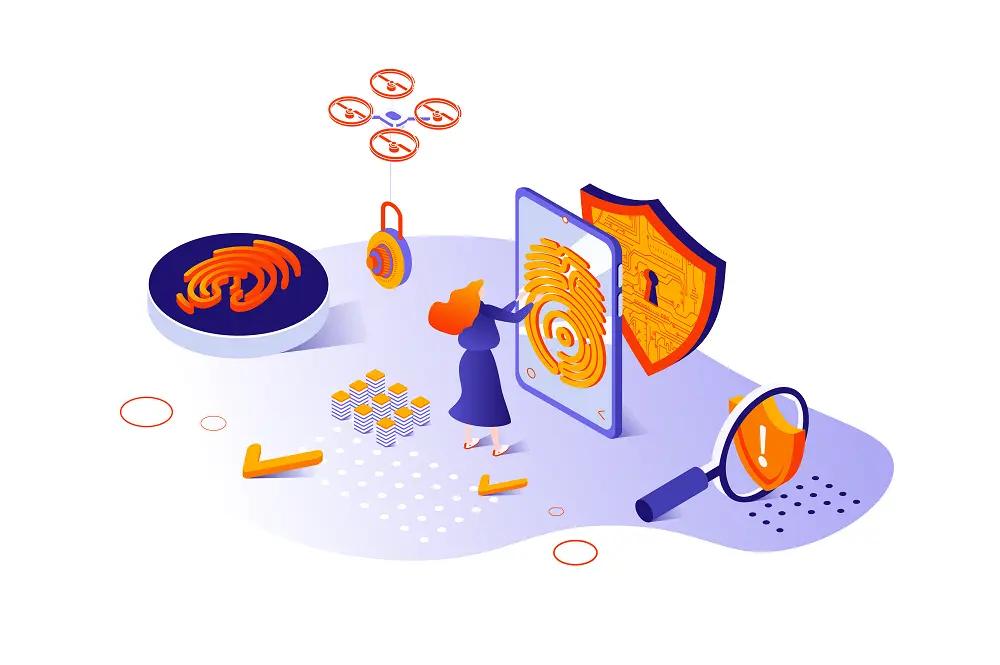
Why So Many Nigerians Get Scammed Buying Gadgets Online
Let's start with a story.
A young graduate in Abuja had been saving for months to buy a new laptop for his remote job.
He found one online.
The seller claimed:
"Brand new."
"Last price."
"Only one left."
The price?
Almost ₦120,000 cheaper than similar laptops elsewhere.
The seller insisted:
"Pay now before someone else buys it."
The buyer transferred the money.
Immediately afterwards...
The seller stopped replying.
Phone switched off.
WhatsApp blocked.
Money gone.
Laptop gone.
Unfortunately, stories like this happen every day across Nigeria.
The Scam Didn't Start with the Transfer
Here's something many people don't realise.
Most scams begin long before the payment.
They start with emotions.
Scammers know exactly how people think.
They understand that buyers want:
- The cheapest price
- Limited-time offers
- "Urgent sales"
- Premium gadgets at unbelievable discounts
They don't sell gadgets.
They sell excitement.
And excitement often makes people ignore obvious warning signs.
Online Shopping Is Safer Than Ever—If You Shop Smart
Let's clear up one myth.
Buying gadgets online isn't the problem.
Buying carelessly is.
Millions of Nigerians successfully buy:
- Smartphones
- Laptops
- Smartwatches
- Bluetooth speakers
- Earbuds
- Gaming accessories
- Tablets
every year without any issues.
The difference?
They know what to look for.
Why Gadget Scams Are So Common
Electronics are attractive to scammers because they're:
- Expensive
- Popular
- Easy to advertise
- Easy to fake
- Constantly in demand
A fake handbag might fool one buyer.
A fake iPhone can fool dozens.
That's why electronics remain one of the biggest targets for online fraud.
The Psychology Behind Gadget Scams
Scammers don't usually rely on technology.
They rely on human behaviour.
Here's what they count on.
😍 The "Cheap Deal" Trap
Imagine seeing:
iPhone 15 Pro Max
Market price:
₦1,800,000+
Someone advertises it for:
₦900,000.
Immediately your brain says:
"I've found a bargain!"
Instead of asking:
"Why is it so cheap?"
Many buyers rush to pay.
⏰ Fake Urgency
Scammers love phrases like:
- Last unit
- Today only
- First payment wins
- Another buyer is waiting
- Hurry before the price changes
Their goal isn't to sell.
It's to stop you from thinking.
🤝 False Trust
Some fraudsters become surprisingly friendly.
They'll call you:
"My brother."
"My sister."
"My chairman."
They'll send voice notes.
They'll joke with you.
Sometimes they'll even pray for you.
Trust should come from verified business practices—not friendly conversations.
What Makes Electronics Different?
Buying clothing online is one thing.
Buying electronics is another.
With gadgets, you're trusting that the product is:
- Genuine
- Functional
- Correctly specified
- Not stolen
- Not counterfeit
- Covered by warranty (where applicable)
That requires more careful verification.
Real Nigerian Scenario
Ada wants wireless earbuds.
She sees two listings.
Seller A
₦48,000
Seller B
₦22,000
Same pictures.
Same description.
Same packaging.
Which one should she buy?
Many people immediately choose Seller B.
But a lower price doesn't always mean better value.
Sometimes it means:
- Counterfeit product
- Used item sold as new
- No warranty
- Scam
Price should always be considered alongside credibility.
Before You Buy Anything, Ask Yourself These Questions
Don't ask:
"Can I afford it?"
Also ask:
- Why is this seller offering such a low price?
- Does this price make sense?
- Can I verify the seller?
- Is there enough information?
- Would I still buy if this were sold offline?
These questions slow down emotional decisions.
And that's exactly what scammers don't want.
Common Gadget Scams in Nigeria
Here are some of the most common tricks.
| Scam | What Happens |
|---|---|
| Fake Phone Listings | Advertised product doesn't exist |
| Counterfeit Devices | Fake branded products sold as originals |
| Deposit Scam | Seller disappears after payment |
| Wrong Product Scam | Buyer receives a different item |
| Refurbished Sold as Brand New | Used devices marketed as new |
| Fake Accessories | Low-quality copies sold as genuine |
Knowing these scams already puts you ahead of many buyers.
One Mistake Can Cost More Than Money
When someone loses money to a scam, the financial loss is only part of the problem.
Many victims also lose:
- Confidence
- Time
- Productivity
- Trust in online shopping
Some never buy electronics online again.
That's why prevention matters so much.
The Smartest Buyers Don't Rush
One thing we've noticed while studying online buying behaviour is this:
The safest buyers aren't necessarily experts.
They're patient.
They compare.
They verify.
They ask questions.
They walk away when something feels wrong.
Patience is one of the strongest scam prevention tools available.
ELEXBIG Editorial Insight
A genuine seller doesn't need to pressure you into making a decision.
If someone becomes aggressive simply because you ask reasonable questions about a product, warranty, condition, or delivery, treat that as a warning sign.
Professional businesses understand that informed customers ask questions before spending their money.
Helpful Buying Resources
Before purchasing any gadget, these guides can help you make a safer decision:
How to Know if a Phone or Laptop Is Original Before Buying (2026 Guide)
https://elexbig.com/blog/how-to-know-if-a-phone-or-laptop-is-original-in-nigeria-2026-guide
Are Cheap Laptops Worth Buying in Nigeria?
https://elexbig.com/blog/are-cheap-laptops-worth-buying-nigeria
You can also browse trusted product categories on ELEXBIG:
- Smartphones & Tablets:https://elexbig.com/product-categories/smartphones-tablets
- Audio Devices:https://elexbig.com/product-categories/audio-devices
- Smart Gadgets:https://elexbig.com/product-categories/smart-gadgets
Exploring products from organised categories makes comparing devices and sellers much easier.
Learn to Spot Trouble Before It Starts
Most online scams don't happen because the scammer is a genius.
They happen because the buyer misses one or two warning signs.
Sometimes those signs are obvious.
Other times they're subtle.
The good news is that once you know what to look for, many scams become much easier to avoid.
Let's go through the biggest red flags.
🚩 1. The Price Is Far Below Market Value
Everyone loves a good bargain.
But there's a difference between a discount and an unbelievable deal.
Imagine you see:
- Samsung Galaxy phone: ₦350,000 everywhere else.
- One seller advertises it for ₦180,000.
Instead of getting excited, ask:
Why is this so much cheaper?
Sometimes there is a genuine reason.
Many times, there isn't.
If a deal sounds too good to be true, investigate before paying.
🚩 2. The Seller Wants You to Rush
Scammers dislike careful buyers.
That's why they'll say things like:
- "Pay now."
- "Another customer is about to buy it."
- "Offer ends in 10 minutes."
- "I can't hold it."
Creating pressure stops people from asking questions.
A genuine seller understands that buyers may need time to compare options.
🚩 3. Very Little Product Information
A trustworthy listing usually answers important questions.
For example:
- Brand
- Model
- Storage capacity
- Condition
- Colour
- Specifications
- Accessories included
If a listing says only:
"Phone available."
That's not enough information for an informed purchase.
🚩 4. Poor or Copied Photos
Be careful if:
- Every image looks like a stock photo.
- The same photo appears across multiple websites.
- There are no clear pictures of the actual product.
Where possible, ask for genuine photos of the item being sold.
Clear images help buyers understand exactly what they're purchasing.
🚩 5. The Seller Avoids Questions
Try asking simple questions such as:
- Is the device new or refurbished?
- Is there any warranty?
- What accessories are included?
- Can you confirm the storage size?
If every answer is vague or avoids the question completely, take extra care.
Professional sellers usually know their products well.
🚩 6. Payment Before Any Verification
Be cautious if someone insists that payment must happen immediately without giving you enough information about the product or the buying process.
Never allow urgency to replace careful verification.
🚩 7. No Store Identity
A reputable online seller should have some form of business identity.
Examples include:
- Business name
- Storefront
- Product catalogue
- Contact information
- Customer reviews
Buying from anonymous accounts always carries greater risk.
🚩 8. Everything Is "Brand New"
Be realistic.
If every phone, laptop, and gadget is advertised as:
- Brand new
- Cheapest in Nigeria
- Original
- Limited offer
without any supporting details, ask more questions before proceeding.
🚩 9. Refusing to Provide Basic Information
You shouldn't have to beg for information like:
- Model number
- Storage
- RAM
- Colour
- Battery condition (for used devices)
Transparency builds confidence.
Avoid sellers who become defensive when asked reasonable questions.
🚩 10. Poor Communication
Communication matters.
If responses are:
- Confusing
- Inconsistent
- Contradictory
take your time before making any payment.
Good communication often reflects professionalism.
🚩 11. No Clear Return or Warranty Information
Electronics are valuable purchases.
Before buying, understand:
- Whether any warranty applies.
- Whether returns are accepted.
- What happens if there's a genuine issue with the product.
Buying without understanding these terms increases your risk.
🚩 12. Your Instinct Says Something Feels Wrong
Sometimes everything appears normal.
Yet something doesn't feel right.
Don't ignore that feeling.
Take a break.
Compare other listings.
Ask more questions.
Walking away from one suspicious deal is far better than losing your money.
Scam Warning Checklist
| Warning Sign | Risk Level |
|---|---|
| Price far below market | 🔴 High |
| Seller creates urgency | 🔴 High |
| No clear product details | 🟠 Medium |
| Stock images only | 🟠 Medium |
| Refuses questions | 🔴 High |
| Anonymous seller | 🔴 High |
| No warranty information | 🟠 Medium |
| Poor communication | 🟠 Medium |
| Inconsistent information | 🔴 High |
| Pressure to pay quickly | 🔴 High |
If you notice several of these warning signs together, it's wise to pause and investigate further before making a purchase.
Questions Every Buyer Should Ask
Before buying any gadget online, ask:
✅ Is this the exact model I want?
✅ Is the description complete?
✅ Has the seller answered my questions clearly?
✅ Does the price make sense compared to similar listings?
✅ Have I compared other options?
Taking five extra minutes now could save you months of regret later.
Real-Life Nigerian Example
Emeka wanted a gaming laptop.
He found one online at an attractive price.
Instead of paying immediately, he compared similar listings.
He noticed every reputable seller was charging much more.
Rather than rushing, he kept searching.
A few days later, he bought a genuine laptop from a trusted seller at a fair market price.
Did he spend slightly more?
Yes.
Did he receive the laptop he expected?
Also yes.
Sometimes the cheapest option becomes the most expensive mistake.
ELEXBIG Editorial Insight
One habit separates experienced online shoppers from first-time buyers.
Experienced buyers verify first.
They don't let excitement control their decisions.
They understand that asking questions isn't being difficult—it's being responsible.
Any genuine seller should welcome informed buyers because transparency builds trust.
Buying Smart Is Better Than Buying Fast
Many people believe avoiding scams is about luck.
It isn't.
It's about having a simple process and following it every single time.
The smartest online shoppers in Nigeria don't have secret knowledge—they simply refuse to skip the basics.
If you make the following checklist part of every purchase, you'll avoid many of the mistakes that catch unsuspecting buyers.
✅ The ELEXBIG Safe Buying Checklist
Before clicking "Buy Now" or making any payment, go through this checklist.
✔ Compare Prices
Don't stop at the first listing you see.
Compare similar products from different sellers.
If one price is dramatically lower than everyone else's, ask yourself why.
✔ Read the Product Description Carefully
A good listing should clearly explain:
- Brand
- Model
- Storage capacity
- RAM
- Colour
- Condition (New, UK Used, Refurbished)
- Accessories included
If important details are missing, ask before buying.
✔ Verify the Product
If you're buying a phone or laptop, don't rely on appearance alone.
Learn how to identify genuine devices by reading our guide:
How to Know if a Phone or Laptop Is Original Before Buying
https://elexbig.com/blog/how-to-know-if-a-phone-or-laptop-is-original-in-nigeria-2026-guide
A few minutes of research can prevent a very expensive mistake.
✔ Buy From Established Stores
One advantage of shopping on organised marketplaces is that sellers have dedicated storefronts where buyers can:
- Browse all available products
- Learn more about the seller
- Build confidence before purchasing
This makes it much easier than buying from random social media accounts with little or no business information.
✔ Don't Let Emotions Decide
Excitement is one of the biggest reasons people get scammed.
Whenever you hear:
- "Only today."
- "Last unit."
- "Transfer now."
Pause.
Take a few minutes away from the conversation.
Most genuine products will still be available after you've had time to think.
What Smart Nigerian Buyers Do Differently
After speaking with many gadget buyers, one habit stands out.
Experienced buyers don't chase the cheapest deal.
They chase the best value.
That means considering:
- Product quality
- Seller reputation
- Complete product information
- Long-term reliability
- After-sales support
Saving ₦30,000 today isn't worth it if you lose ₦300,000 tomorrow.
A Simple Buying Formula
Whenever you're buying electronics online, remember this formula:
Research + Compare + Verify + Buy
If you skip any one of these steps, your risk increases.
Smart Buyer vs Risky Buyer
| Smart Buyer | Risky Buyer |
|---|---|
| Compares prices | Buys the first cheap listing |
| Reads product descriptions | Looks only at pictures |
| Asks questions | Pays immediately |
| Takes time to verify | Rushes because of pressure |
| Chooses trusted sellers | Buys from unknown accounts |
| Thinks long-term | Thinks only about saving money |
Which column do you want to be in?
Shopping Through a Trusted Marketplace
Buying from a structured marketplace offers advantages that many informal channels don't.
For example, buyers can often:
- Browse organised product categories
- View a seller's storefront
- Compare multiple products in one place
- Discover verified business information
- Explore different brands before making a decision
These features make the buying process more transparent and convenient.
Explore Products on ELEXBIG
If you're planning your next technology purchase, you can browse products by category on ELEXBIG.
Smartphones & Tablets
https://elexbig.com/product-categories/smartphones-tablets
Audio Devices
https://elexbig.com/product-categories/audio-devices
Smart Gadgets
https://elexbig.com/product-categories/smart-gadgets
You can also continue your research with these helpful guides:
Are Cheap Laptops Worth Buying in Nigeria?
https://elexbig.com/blog/are-cheap-laptops-worth-buying-nigeria
How to Know if a Phone or Laptop Is Original Before Buying
https://elexbig.com/blog/how-to-know-if-a-phone-or-laptop-is-original-in-nigeria-2026-guide
The more informed you are, the better your buying decisions become.
ELEXBIG Editorial Insight
One thing we've observed over the years is that scammers keep changing their methods—but smart buying habits rarely change.
Whether you're buying a ₦40,000 pair of earbuds or a ₦2 million laptop, the same principles apply:
- Don't rush.
- Verify information.
- Compare options.
- Ask questions.
- Buy with confidence, not pressure.
Technology should improve your life—not become a source of regret.
Frequently Asked Questions
Is it safe to buy gadgets online in Nigeria?
Yes. Buying gadgets online can be safe when you take time to compare products, verify information, and buy from reputable sellers instead of rushing into a purchase.
Why are some gadgets much cheaper online?
Some sellers offer genuine discounts, but unusually low prices can also indicate counterfeit products, refurbished devices sold as new, or fraudulent listings. Always compare prices before buying.
How do I know if a phone or laptop is original?
Check the model details, specifications, and seller information carefully. You can also follow our detailed guide on identifying genuine phones and laptops before purchasing.
Should I always buy the cheapest gadget?
Not necessarily.
The cheapest option isn't always the best value. A slightly higher price from a reliable seller may save you money and frustration in the long run.
What should I do if a deal feels suspicious?
Pause the transaction.
Ask more questions.
Compare other listings.
If something doesn't feel right, it's usually better to walk away than risk losing your money.
Final Thoughts
Online shopping has made it easier than ever for Nigerians to buy smartphones, laptops, smart gadgets, and other electronics from anywhere in the country.
But convenience should never replace caution.
The best buyers aren't the ones who find the cheapest deals—they're the ones who make informed decisions.
Take your time.
Ask questions.
Compare products.
And remember that protecting your hard-earned money is just as important as finding the right gadget.
When you shop wisely, technology becomes an investment—not a regret.
About Author - ELEXBIG Editorial Team

Latest Articles








Featured Articles


Related Articles

How to Protect Your Gadgets from Power Surges in Nigeria (2026 Guide)
Learn how to protect your gadgets from power surges in Nigeria. Discover practical tips, surge protectors,...
What Is the Best Budget Smartphone Under ₦150k–₦300k in Nigeria?
Looking for the best budget smartphone under ₦150,000–₦300,000? Discover how to choose the right phone based...
How to Know If a Phone or Laptop Is Original in Nigeria (2026 Guide)
Learn how to check if a phone or laptop is original before buying in Nigeria. Discover...