

Estimated Reading Time: 8–10 minutes
This article was prepared by the ELEXBIG Editorial Team.
Our editorial team researches the latest consumer technology, electronics, and digital trends to help Nigerians make informed buying decisions. We combine expert insights with practical, real-world experience to create content that is accurate, easy to understand, and genuinely useful for everyday life.
Ask someone to name a tech product, and chances are they'll mention an iPhone, a laptop, or perhaps a smart TV. They're not wrong—but they're only scratching the surface.
The truth is, technology has quietly become part of almost everything we use every day. The router that keeps your Wi-Fi running, the power bank that saves your phone during a blackout, the smartwatch counting your steps, the CCTV camera protecting a shop, or even the air fryer helping prepare dinner faster—all of these are tech products.
Yet many Nigerians still think technology begins and ends with smartphones and laptops.
That misunderstanding often leads to poor buying decisions. People spend money on gadgets they don't really need while overlooking products that could genuinely make life easier, improve productivity, or even save money over time.
This guide goes beyond giving a dictionary definition. Instead, we'll explore what a tech product really is, why it matters, how it has become part of modern Nigerian life, and how understanding technology can help you make smarter purchasing decisions.
Whether you're buying your first gadget, upgrading your home, starting a business, or simply curious about technology, this guide is designed to help you see tech products from a whole new perspective.
Simply put:
A tech product is any device, equipment, or electronic solution that uses technology to solve a problem, perform a task, improve efficiency, or enhance everyday life.
Notice that this definition doesn't say "phone."
That's because technology exists in thousands of different products.
Some connect to the internet.
Some don't.
Some use artificial intelligence.
Others simply automate everyday tasks.
If technology helps a product perform a function better than traditional methods, it can generally be considered a tech product.
Imagine a typical Saturday morning in Lagos.
A student wakes up using a smartphone alarm.
The family television streams the morning news.
The Wi-Fi router connects everyone's devices.
A smartwatch records a morning walk.
Breakfast is prepared in an air fryer.
A CCTV camera monitors the entrance while everyone leaves for work.
None of these products perform the same job.
Yet every one of them relies on technology.
Technology isn't one product.
It's an ecosystem.
One of the biggest mistakes people make is believing technology exists simply because it's "modern."
In reality, every successful tech product solves a specific problem.
| Problem | Tech Product | Solution |
|---|---|---|
| Phone battery dies too quickly | Power Bank | Portable charging anywhere |
| Slow internet | Wi-Fi Router | Faster and more reliable connectivity |
| Security concerns | CCTV Camera | Monitor homes and businesses remotely |
| Washing clothes manually | Washing Machine | Saves time and effort |
| Long cooking times | Air Fryer | Faster cooking with less oil |
| Poor online meetings | Webcam or Headset | Better communication |
This is perhaps the easiest way to understand technology:
Good technology removes friction from everyday life.
Another common misconception is that technology equals luxury.
Not true.
Technology exists at every price point.
For example:
These may seem ordinary, but they're all technology products designed to make other devices more useful.
Sometimes, the most affordable tech accessories provide the biggest improvement to your daily routine.
Nigeria's relationship with technology has changed dramatically over the past decade.
Years ago, many households relied on basic phones, desktop computers in cyber cafés, and analogue televisions.
Today, technology supports almost every aspect of daily life.
Students attend online classes.
Entrepreneurs run businesses through social media.
Content creators shoot videos with smartphones.
Parents monitor their homes with smart security systems.
Small businesses accept digital payments.
Remote workers collaborate with clients across the world.
Even many market traders now use smartphones for inventory, customer communication, and mobile banking.
Technology is no longer optional for many people.
It's becoming essential.
People often use these terms interchangeably, but they're not exactly the same.
Think of it this way:
| Electronics | Tech Products |
|---|---|
| Focus on electrical circuits | Focus on solving problems using technology |
| Can be simple devices | Often include software, connectivity, or smart features |
| Examples: calculator, radio | Examples: smartphones, smart TVs, routers, smartwatches |
Most modern tech products are electronic devices, but not every electronic device qualifies as an advanced tech product.
The distinction isn't always strict, but understanding it helps when comparing products.
Years ago, products only performed one task.
Today's devices are designed to work together.
For example:
Your smartwatch syncs with your smartphone.
Your TV connects to Wi-Fi.
Your security camera sends alerts to your phone.
Your smart speaker controls other devices.
Your laptop automatically backs up files to the cloud.
Instead of working alone, modern tech products communicate with one another to create a more connected experience.
You've probably heard terms like:
But what actually makes something "smart"?
Usually, a smart product can:
For example, a traditional CCTV system records footage.
A smart CCTV camera can notify your phone when movement is detected, let you watch live video from anywhere, and store recordings online.
That's a significant difference.
Not long ago, many people bought technology based almost entirely on brand names.
Today, buyers are becoming more informed.
Instead of asking:
"Which brand is the biggest?"
More Nigerians now ask:
This shift is encouraging because buying the right product is often more important than buying the most expensive one.
When people hear the phrase "tech product," they often picture just one thing—a smartphone.
But technology is much bigger than that.
From the moment you wake up until you go to bed, you're surrounded by devices designed to make life easier, safer, faster, and more enjoyable. Whether you're a student in Ibadan, a business owner in Aba, a content creator in Abuja, or a remote worker in Port Harcourt, there's a tech product built to solve a problem you face every day.
The challenge isn't finding technology anymore—it's understanding which type of technology is right for you.
Let's break it down.
Technology products generally fall into several categories, each serving a different purpose.
| Category | Examples | Best For |
|---|---|---|
| Smartphones & Tablets | Android phones, iPhones, iPads | Communication, entertainment, work |
| Computers & Laptops | Windows laptops, MacBooks, desktops | School, office work, programming, design |
| Home Entertainment | Smart TVs, streaming devices, projectors | Movies, sports, gaming |
| Audio Devices | Earbuds, headphones, speakers | Music, calls, podcasts |
| Smart Home Devices | Smart bulbs, smart plugs, smart cameras | Home automation |
| Home Appliances | Air fryers, washing machines, dishwashers | Everyday household tasks |
| Networking | Routers, Wi-Fi extenders, modems | Internet connectivity |
| Security | CCTV cameras, smart locks, alarms | Home and business protection |
| Gaming | Consoles, gaming accessories | Entertainment |
| Wearables | Smartwatches, fitness trackers | Health and productivity |
| Accessories | Chargers, power banks, keyboards, mice | Better device performance |
Each category exists because people have different needs—not everyone needs the latest flagship phone, but almost everyone benefits from reliable technology.
For most Nigerians, the smartphone is the first piece of technology they own.
It's no longer just a device for making calls.
Today, smartphones are used to:
For many small business owners, a smartphone has replaced what once required an office, a desktop computer, and a landline.
That's why buying a phone should be based on how you'll use it, not simply because it's trending.
While smartphones are powerful, they can't replace computers for every task.
Students writing research projects, architects using design software, accountants working with spreadsheets, programmers writing code, and video editors producing content all benefit from a laptop or desktop computer.
Choosing the right laptop depends on your workload.
For example:
| User | Recommended Type |
|---|---|
| Secondary school student | Entry-level laptop |
| University student | Mid-range laptop |
| Graphic designer | High-performance laptop |
| Programmer | Laptop with fast processor and SSD |
| Video editor | Laptop with dedicated graphics card |
| Business owner | Reliable everyday laptop |
One mistake many buyers make is paying for features they'll never use. A laptop should match your work—not someone else's.
When people think about technology, kitchen appliances rarely come to mind.
But today's appliances are packed with technology.
Examples include:
These products aren't just convenient—they can save time, reduce energy consumption, and simplify daily routines.
For busy households, they often become essential rather than optional.
A few years ago, smart homes seemed like something you'd only see in movies.
Not anymore.
Today, many Nigerian homeowners are installing:
The biggest advantage isn't showing off modern gadgets—it's convenience and security.
Imagine checking your security camera while you're travelling or turning off forgotten lights using your phone.
That's practical technology.
Every online activity depends on one thing:
A reliable internet connection.
Yet many people blame their smartphones when the real problem is an outdated router.
Networking products include:
Choosing the right networking equipment can dramatically improve streaming, online meetings, gaming, and remote work.
In many homes, upgrading the router delivers a bigger improvement than upgrading the phone.
Wearables have evolved far beyond counting steps.
Modern smartwatches can:
Many professionals also appreciate the convenience of seeing important notifications without constantly reaching for their phones.
For fitness enthusiasts, wearables provide valuable insights that support healthier habits.
Accessories may be small, but they often determine how enjoyable your technology is to use.
Some of the most useful include:
Many people spend hundreds of thousands of naira on premium devices but overlook the accessories that protect and improve them.
A quality power bank, for example, can be invaluable during extended power outages.
One interesting trend is how devices now work together.
Consider a remote worker's setup:
None of these products replaces another.
Instead, they form an ecosystem where each device supports the others.
When buying technology, it's often better to think about building a complete setup rather than focusing on a single gadget.
Before buying any tech product, ask yourself these four questions:
| Question | Why It Matters |
|---|---|
| What problem am I trying to solve? | Helps you avoid unnecessary purchases. |
| How often will I use it? | Daily-use products deserve a bigger budget. |
| Will it still meet my needs in a few years? | Reduces the need for frequent upgrades. |
| Does it work well with the devices I already own? | Ensures a smoother, more connected experience. |
These simple questions can save you money and help you invest in technology that truly adds value.
One trend we've observed is that many buyers chase specifications without considering usability. A device with the highest numbers on paper isn't always the best choice if its features don't match your daily needs.
For example, a student may benefit more from a lightweight laptop with long battery life than from an expensive gaming laptop. Likewise, a family might gain more from investing in a reliable washing machine or Wi-Fi router than upgrading to the latest smartphone every year.
The smartest technology purchase isn't necessarily the most expensive—it's the one that fits your lifestyle, solves a real problem, and continues to deliver value over time.
Buying technology has never been easier.
Making the right buying decision? That's a different story.
Every week, new phones are launched. New laptops promise faster performance. Smart home devices are becoming more affordable, while AI-powered gadgets seem to appear almost overnight.
With so many choices available, it's easy to buy something that looks impressive today but becomes disappointing a few months later.
At ELEXBIG, we believe that buying technology shouldn't be about following trends—it should be about finding products that genuinely improve your daily life.
Let's look at how to make smarter decisions.
One of the biggest mistakes buyers make is shopping based on hype.
A device may be popular online, but that doesn't automatically make it the right choice for you.
Before spending any money, ask yourself:
For example, someone working remotely may benefit more from upgrading their Wi-Fi router than buying the latest flagship smartphone.
Technology should solve problems—not create unnecessary expenses.
Many people assume that the most expensive product is always the best.
In reality, the best tech product is often the one that comfortably meets your needs without paying for features you'll never use.
Think about it this way:
| If You Are... | You Probably Need... |
|---|---|
| A university student | A reliable laptop with good battery life |
| A photographer | A device with excellent cameras and storage |
| A gamer | Powerful graphics and high refresh rates |
| A small business owner | Dependable devices with long-term durability |
| A family | Reliable home appliances that save time |
Buying beyond your actual needs usually means paying for features you'll rarely notice.
The purchase price is only one part of owning a tech product.
Also consider:
A cheaper product today may become more expensive over time if it breaks easily or lacks support.
Sometimes spending slightly more upfront results in better long-term value.
Over the years, we've noticed several patterns among technology buyers.
Well-known brands often produce excellent products, but lesser-known manufacturers can also offer outstanding value.
Instead of buying a name, compare the actual features.
Before purchasing a product, check whether it works with your existing devices.
For example:
Compatibility saves frustration later.
Everyone likes saving money.
But extremely cheap technology often comes with compromises:
Value is different from simply buying the cheapest option.
Many returns happen because buyers assume instead of checking.
Always confirm:
A few extra minutes of research can prevent costly mistakes.
As technology becomes more popular, counterfeit products have also become more common.
Here are a few practical checks:
| Check | Why It Matters |
|---|---|
| Buy from reputable marketplaces and authorised sellers | Reduces the risk of counterfeit products |
| Check warranty information | Genuine products usually include manufacturer support |
| Inspect packaging carefully | Poor printing or missing seals can be warning signs |
| Compare product specifications | Fake products often list inaccurate details |
| Be cautious of prices that seem too good to be true | Unrealistically low prices deserve extra scrutiny |
If an offer looks unbelievable, it's worth asking a few more questions before buying.
Technology is changing rapidly, and the next few years will bring even smarter devices into Nigerian homes and businesses.
Some trends worth watching include:
AI is already improving smartphones, laptops, cameras, and home appliances by making them more efficient and easier to use.
More devices will communicate with each other automatically, making homes more secure, energy-efficient, and convenient.
As electricity costs continue to matter, manufacturers are focusing on products that consume less power while maintaining performance.
With faster internet and expanding digital infrastructure, connected devices will become even more useful for education, healthcare, entertainment, and business.
Consumers are increasingly paying attention to durability, repairability, and energy efficiency rather than replacing devices every year.
Technology has changed significantly over the past decade, but one thing hasn't changed:
People don't buy gadgets because they love specifications.
They buy them because they want solutions.
A student wants to complete assignments faster.
A parent wants a safer home.
A business owner wants to serve customers more efficiently.
A content creator wants to produce better videos.
A family wants to save time on household chores.
The best technology products are the ones that quietly improve everyday life without demanding constant attention.
That's why we encourage buyers to think beyond trends and focus on value, reliability, and suitability.
Technology should work for you not the other way around.
A tech product is any device or electronic solution that uses technology to solve problems, improve efficiency, or make everyday tasks easier. Examples include smartphones, laptops, smart TVs, routers, smartwatches, home appliances, and accessories.
Yes. Modern appliances such as washing machines, dishwashers, refrigerators, microwave ovens, and air fryers use advanced technology to improve convenience, efficiency, and performance.
Electronics refer to devices powered by electronic circuits, while tech products are designed to solve practical problems using technology. Many modern products fall into both categories.
Start by identifying your needs, setting a realistic budget, comparing features, checking compatibility with your existing devices, and buying from trusted sellers.
Technology supports communication, education, healthcare, entertainment, business, security, and productivity. It has become an essential part of modern life rather than a luxury.
Choose trusted marketplaces that provide detailed product information, reliable sellers, and a wide range of electronics, accessories, and home appliances.
Technology is no longer limited to phones and computers. It powers the way we work, learn, communicate, cook, clean, stay safe, and entertain ourselves.
Understanding what a tech product is gives you more than just knowledge—it helps you become a smarter buyer. Whether you're investing in your first laptop, upgrading your home with smart appliances, or choosing accessories that improve your daily routine, informed decisions almost always lead to better value.
At ELEXBIG, our goal is to make those decisions easier by providing access to a wide range of technology products alongside practical, trustworthy information that helps you buy with confidence.
Explore products across smartphones, laptops, wearables, networking devices, home appliances, gaming equipment, accessories, and more by visiting the ELEXBIG Categories page:











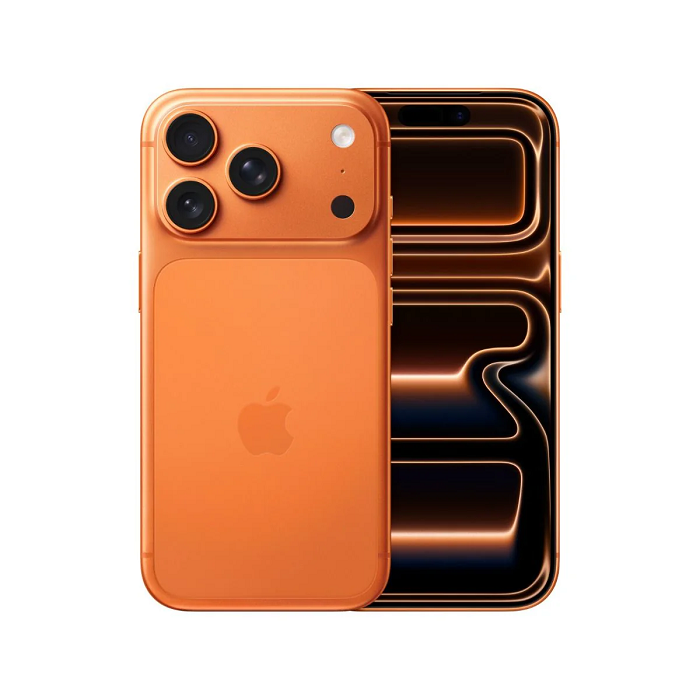
Discover the top features of the iPhone 17 Pro Max, including camera upgrades, Apple Intelligence, battery...

Discover how AI is transforming smartphones, TVs, home appliances, and smart gadgets. Learn what AI features...
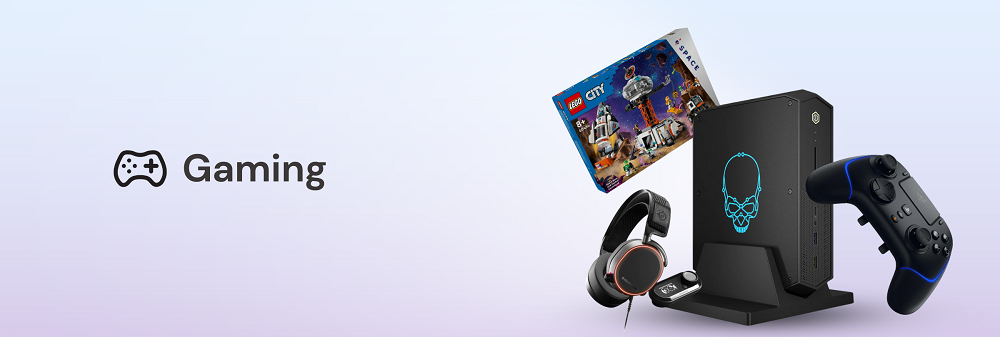
Discover how smartphones, AI, gaming, and social media are influencing Nigeria's "Olodo" uprising in 2026. Learn...