
iPhone vs Samsung: Which Is Better for Nigerians in 2026? Complete Comparison
Estimated Reading Time (Full Article): 13–15 minutes
About This Article
This article was prepared by the ELEXBIG Editorial Team.
The ELEXBIG Editorial Team has tested dozens of Samsung Galaxy and iPhone models used by Nigerian customers over the past several years.
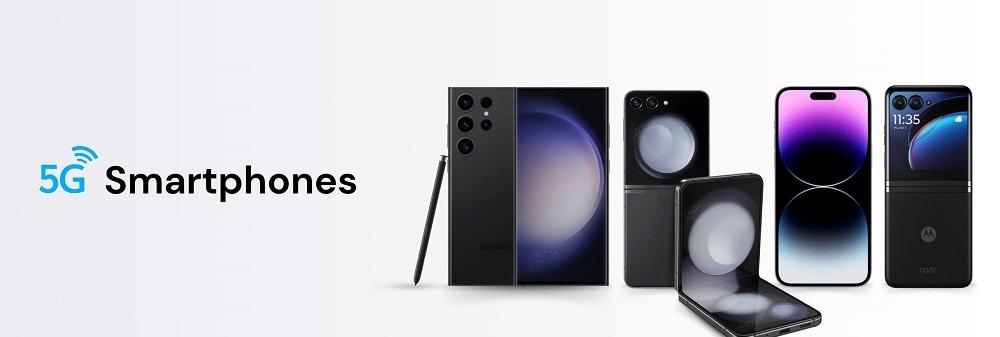
The Smartphone Debate That Never Ends
Walk into almost any phone shop in Nigeria and ask one simple question:
"Which is better, iPhone or Samsung?"
You'll probably get ten different answers from ten different people.
Some will tell you:
"Once you use iPhone, you'll never go back."
Others will insist:
"Samsung gives you more for your money."
Both sides have passionate supporters.
But here's the interesting part...
Most Nigerians are asking the wrong question.
Instead of asking:
"Which brand is better?"
The better question is:
"Which phone fits my lifestyle, budget, and daily needs?"
Because what works perfectly for a content creator in Abuja may not be the best choice for a university student in Ibadan or a business owner in Port Harcourt.
This guide isn't about choosing a winner.
It's about helping you choose the right winner for you.
Why This Comparison Matters More in 2026
The smartphone market has changed dramatically.
Years ago, the comparison was simple:
- iPhone = Premium
- Samsung = Android alternative
Today, that's no longer true.
Samsung now offers phones across almost every budget.
Apple continues to improve performance, cameras, and software support.
Meanwhile, Nigerian buyers have become smarter.
People now compare:
- Battery life
- Repair costs
- Software updates
- Camera quality
- Resale value
- Long-term ownership
Instead of buying purely because of brand reputation.
That's a good thing.
What "Better" Actually Means
When someone asks:
"Which is better?"
They usually mean one of these:
- Better camera
- Better battery
- Better value
- Better for business
- Better for gaming
- Better resale value
- Better software
Notice something?
These are completely different questions.
That's why there is no universal answer.
The Nigerian Reality
Buying a smartphone in Nigeria is different from buying one in many other countries.
Here, buyers also think about:
- Electricity supply
- Cost of repairs
- Availability of accessories
- Network compatibility
- Import prices
- Exchange rate
- Device security
- Resale market
Those factors influence value just as much as specifications.
Meet the Two Giants
Apple iPhone
Apple focuses on creating a tightly integrated ecosystem.
That means:
- Hardware
- Software
- Services
...are all designed to work together.
The result is usually:
- Smooth performance
- Long software support
- Strong resale value
- Reliable cameras
Samsung
Samsung takes a different approach.
It offers smartphones in nearly every category.
Whether your budget is modest or premium, Samsung probably has an option.
Its strengths include:
- Wide product range
- Excellent displays
- Hardware innovation
- Flexibility
- Android customisation
The Biggest Mistake Nigerians Make
One mistake appears repeatedly.
Many buyers compare:
iPhone 15 Pro Max
against
Samsung Galaxy A Series
That's not a fair comparison.
One is a flagship device.
The other is a mid-range phone.
A better comparison looks like this:
| Apple | Samsung |
|---|---|
| iPhone SE | Galaxy A Series |
| iPhone 16 | Galaxy S Series |
| iPhone Pro | Galaxy S Ultra |
Always compare devices in similar price categories.
Beyond Specifications
Here's something many reviews overlook.
Owning a phone is about more than performance tests.
Think about your average day.
You probably use your phone for:
- Banking
- YouTube
- TikTok
- Calls
- Maps
- Photos
- Shopping
The best phone is the one that handles these tasks comfortably every day—not the one that scores highest in benchmarks.
A Real-Life Nigerian Example
Let's imagine two friends each have a budget of ₦1,000,000.
The first buys an iPhone because:
- They already own a MacBook.
- They like iMessage and FaceTime.
- They care about resale value.
The second buys a Samsung because:
- They prefer Android flexibility.
- They use dual SIMs.
- They enjoy customising their phone.
- They want a larger display.
A year later...
Both are happy.
Not because one phone is objectively better.
But because each phone matches the owner's lifestyle.
That's the lesson many buyers overlook.
First Comparison: Brand Strengths
| Category | iPhone | Samsung |
|---|---|---|
| Software optimisation | Excellent | Excellent |
| Display quality | Excellent | Excellent |
| Camera consistency | Excellent | Excellent |
| Device variety | Limited | Excellent |
| Customisation | Limited | Excellent |
| Long-term software support | Excellent | Very Good |
| Resale value | Excellent | Good |
Already, you can see that each brand has different advantages.
Price vs Value
One misconception is that iPhones are always "too expensive."
Another misconception is that Samsung is always "cheaper."
Neither statement is completely true.
Samsung sells:
- Budget phones
- Mid-range phones
- Premium flagships
Apple mainly competes in the premium category.
So value depends on what you're shopping for.
Questions You Should Ask Before Choosing
Instead of asking:
"Which phone is better?"
Ask yourself:
- How much can I realistically spend?
- How long do I plan to keep this phone?
- Do I already own Apple devices?
- Do I enjoy customising my phone?
- Do I play games often?
- Is camera quality my priority?
- Do I care about resale value?
Your answers will naturally point you toward the right choice.
ELEXBIG Editorial Insight
One trend we've observed in the Nigerian smartphone market is that buyers are becoming less interested in brand loyalty and more interested in value.
That's a healthy change.
The smartest buyers don't purchase phones to impress people.
They buy phones that solve everyday problems efficiently.
Sometimes that's an iPhone.
Sometimes it's a Samsung.
The important thing is choosing based on needs, not social pressure.
Explore Both Brands on ELEXBIG
Before making your decision, compare different models available from both manufacturers:
Samsung Smartphones:
https://elexbig.com/brands/samsung
Apple iPhones:
https://elexbig.com/brands/apple
iving With the Phone Is Different From Buying It
The excitement of buying a new phone usually lasts a few days.
The experience of using it lasts for years.
That's why the better question isn't:
"Which phone looks better?"
It's:
"Which phone will still make me happy after one or two years?"
Let's compare both brands where everyday users actually notice the difference.
Performance — Which Phone Feels Faster?
One thing both Apple and Samsung have improved significantly over the years is performance.
Opening apps, switching between social media, editing videos, or joining Zoom meetings is smooth on both brands—especially on newer models.
However, they achieve this in different ways.
Performance Comparison
| Category | iPhone | Samsung |
|---|---|---|
| App Launch Speed | ⭐⭐⭐⭐⭐ | ⭐⭐⭐⭐☆ |
| Multitasking | ⭐⭐⭐⭐⭐ | ⭐⭐⭐⭐⭐ |
| Long-Term Performance | ⭐⭐⭐⭐⭐ | ⭐⭐⭐⭐☆ |
| Everyday Smoothness | ⭐⭐⭐⭐⭐ | ⭐⭐⭐⭐⭐ |
ELEXBIG Insight
Apple's tight integration between hardware and iOS helps even older iPhones remain fast for years.
Samsung has also made huge improvements with One UI, especially on its Galaxy S series, delivering a smooth experience that rivals many flagship phones.
For everyday users, both brands perform exceptionally well.
Camera — More Than Just Megapixels
Many buyers compare camera specifications before buying.
But in reality:
Photography isn't just about megapixels.
It's about:
- Colour accuracy
- Video quality
- Low-light performance
- Portrait mode
- Processing speed
Daylight Photography
Both brands produce excellent photos.
Samsung often delivers:
- More vibrant colours
- Sharper-looking images
iPhone usually produces:
- More natural colours
- Consistent image processing
Neither approach is wrong.
It depends on personal preference.
Night Photography
| Category | Winner |
|---|---|
| Low-light Photos | iPhone (slight advantage) |
| Night Video | iPhone |
| Bright Display Preview | Samsung |
Selfie Camera
Both brands perform well.
Samsung often offers more beauty and editing features.
Apple focuses on more natural-looking selfies.
Video Recording
This is where Apple continues to impress.
Many Nigerian content creators choose iPhones because of:
- Stable video recording
- Reliable autofocus
- Natural colours
- Consistent quality across apps
Samsung has narrowed the gap considerably, especially in its flagship Galaxy S Ultra models.
Battery Life — Important in Nigeria
Power supply remains unpredictable in many parts of Nigeria.
That makes battery performance extremely important.
Battery Comparison
| Category | iPhone | Samsung |
|---|---|---|
| Battery Efficiency | Excellent | Excellent |
| Fast Charging | Good | Very Good |
| Charging Options | Limited | More Flexible |
| Power Saving Features | Excellent | Excellent |
Nigerian Reality
If you're frequently away from power or rely on an inverter or generator, battery endurance becomes just as important as camera quality.
Samsung generally offers:
- Larger batteries
- Faster wired charging
Apple focuses more on battery optimisation through software.
Software Experience
Software is where these brands feel completely different.
iPhone (iOS)
Strengths:
- Simple interface
- Long software support
- Excellent security
- Smooth ecosystem
Limitations:
- Less customisation
- More restrictions
Samsung (One UI)
Strengths:
- Highly customisable
- Flexible multitasking
- Split-screen support
- More user control
Limitations:
- More settings to learn
- Different experience across price ranges
Gaming Performance
Gaming depends on:
- Processor
- Display
- Cooling
- Software optimisation
Gaming Comparison
| Category | Winner |
|---|---|
| Stable Frame Rates | iPhone |
| Display Options | Samsung |
| Game Optimisation | Tie |
| Long Gaming Sessions | Slight edge to Samsung Ultra models |
Both brands handle popular games smoothly.
For casual players, either is more than enough.
Everyday Apps
Most Nigerians spend more time using:
- TikTok
- YouTube
- Banking apps
Both platforms support these apps extremely well.
Where Apple often stands out is consistency.
Where Samsung stands out is flexibility.
Repairs & Maintenance
This is something many buyers don't think about until something goes wrong.
Things to Consider
| Factor | iPhone | Samsung |
|---|---|---|
| Screen Repairs | Usually expensive | Varies by model |
| Battery Replacement | Premium pricing | More options |
| Accessories | Premium pricing | Wider price range |
| Spare Parts | Available but costly | Widely available |
Editorial Insight
Repair costs depend heavily on the specific model, but premium devices from both brands generally cost more to repair than entry-level phones.
Using a protective case and quality screen protector remains one of the best ways to avoid expensive repairs.
Software Updates
Long-term software support adds value because it:
- Improves security
- Fixes bugs
- Adds new features
- Extends device lifespan
Update Reputation
| Brand | Overall Support |
|---|---|
| Apple | Excellent |
| Samsung | Very Good |
Apple has traditionally provided longer software support.
Samsung has made major improvements in recent years, especially for flagship and many mid-range devices.
Storage & Cloud Services
Many Nigerians keep thousands of photos, videos, and WhatsApp files on their phones.
Think about:
- Available storage
- Cloud backup
- Expansion options
Samsung offers more flexibility across different models.
Apple's cloud experience is polished but often encourages users to subscribe for additional storage as their needs grow.
A Day in the Life: Two Different Users
User A
- Owns a MacBook
- Uses FaceTime
- Works remotely
- Records videos
An iPhone fits naturally into this ecosystem.
User B
- Uses Windows laptop
- Downloads many files
- Enjoys multitasking
- Uses two SIM cards
Samsung may offer greater flexibility.
Neither choice is wrong.
The best phone depends on how you actually use it.
ELEXBIG Editorial Insight
One mistake we often see is buyers focusing only on launch-day excitement.
Instead, imagine using the phone every day for the next three years.
Ask yourself:
- Will this battery still meet my needs?
- Will I enjoy the software?
- Can I comfortably afford repairs if needed?
- Does this phone fit the other devices I already own?
Those questions usually lead to a better buying decision than comparing specifications alone.
So, Which One Should You Buy?
After comparing cameras, performance, battery life, software, repairs, and long-term ownership, you're probably expecting us to say:
"Buy an iPhone."
Or...
"Samsung is better."
But that wouldn't be honest.
The reality is much more interesting.
The better phone is the one that fits your life—not someone else's.
A phone is something you'll use dozens of times every day. The best choice is the one that makes those everyday moments easier, whether you're responding to customers on WhatsApp, attending online classes, editing videos, or simply staying connected with family.
Best Choice by User Type
Instead of naming one overall winner, here's who each brand suits best.
| If You Are... | Better Choice | Why |
|---|---|---|
| University Student | Samsung | More affordable options and great value |
| Small Business Owner | iPhone or Samsung | Depends on budget and ecosystem |
| Content Creator | iPhone | Excellent video recording and consistent camera quality |
| Gamer | Samsung | Larger displays and gaming-focused features on many models |
| Professional | iPhone | Strong ecosystem and long software support |
| First-Time Smartphone Buyer | Samsung | Wider range of prices and features |
Which Brand Gives Better Value?
This depends on what you mean by "value."
If value means...
Spending less money
Samsung wins because it offers smartphones across entry-level, mid-range, and flagship categories.
Keeping your phone for many years
iPhone has a slight advantage thanks to its long software support and strong resale value.
Flexibility
Samsung wins.
You get:
- More model choices
- More storage options
- More customization
- More price ranges
Premium Ownership Experience
Apple continues to offer one of the strongest smartphone ecosystems available.
If you already own a MacBook, iPad, or Apple Watch, an iPhone becomes even more valuable because everything works together seamlessly.
Resale Value in Nigeria
This is one area many buyers overlook.
A phone isn't just something you buy.
It's also something you may eventually sell or trade in.
General Comparison
| Category | Winner |
|---|---|
| Resale Value | iPhone |
| Demand for Used Devices | iPhone |
| Price Stability | iPhone |
iPhones generally retain their value longer in Nigeria, particularly well-maintained models with original accessories.
Samsung devices also have healthy resale demand, especially flagship Galaxy S models, but depreciation is often faster than comparable iPhones.
Repair & Ownership Costs
Buying the phone is only part of the story.
Think about:
- Screen replacement
- Battery replacement
- Protective accessories
- Chargers
- Cases
Premium devices from both brands can be expensive to repair, so investing in a quality case and screen protector is highly recommended.
Common Buying Mistakes Nigerians Make
❌ Buying Because of Social Pressure
Many people choose a phone simply because:
"Everyone around me uses iPhone."
Or...
"Samsung is more popular."
Your phone should fit your needs, not public opinion.
❌ Ignoring Total Cost of Ownership
The purchase price is only the beginning.
Consider:
- Repairs
- Accessories
- Insurance (if applicable)
- Battery replacement after years of use
❌ Buying More Phone Than You Need
Not everyone needs a flagship smartphone.
If your daily routine includes:
- Calls
- Banking apps
- Social media
- YouTube
A quality mid-range device may serve you perfectly while saving you money.
❌ Comparing Different Categories
Always compare devices in similar price ranges.
For example:
- iPhone 16 vs Galaxy S Series
- iPhone SE vs Galaxy A Series
Comparing a flagship to a budget phone doesn't provide a fair picture.
The Four Questions Every Buyer Should Answer
Before making your decision, ask yourself:
1. What's my realistic budget?
Don't overspend just because a phone is popular.
2. How long will I keep this phone?
If you're planning to keep it for four or five years, software support becomes more important.
3. Which features matter most?
Is it:
- Camera?
- Battery?
- Gaming?
- Business use?
- Storage?
Your priorities should guide your choice.
4. Do I already own other devices?
If you already use Apple products, an iPhone integrates naturally.
If you use Windows laptops, Android devices, or prefer flexibility, Samsung may fit more comfortably.
Final Recommendation
Instead of asking:
"Which phone is better?"
Ask:
"Which phone will make my everyday life easier?"
Choose an iPhone if:
✔ You want long software support.
✔ You create lots of videos.
✔ You care about resale value.
✔ You already use Apple devices.
✔ You prefer a simple, consistent user experience.
Choose Samsung if:
✔ You want more choice across different budgets.
✔ You enjoy customizing your phone.
✔ You want flexibility with Android.
✔ You prefer larger displays and a wider range of features.
✔ You want excellent value at different price points.
ELEXBIG Editorial Insight
One thing we've learned from watching the Nigerian smartphone market evolve is this:
People rarely regret buying a phone that genuinely suits their needs.
What they regret is buying a phone because of hype.
A phone isn't an investment in status.
It's an investment in convenience, communication, productivity, and everyday life.
That's why the smartest buyers don't chase trends—they buy with purpose.
Explore iPhone & Samsung Devices on ELEXBIG
Compare the latest smartphones before making your decision:
Samsung:
https://elexbig.com/brands/samsung
Apple:
https://elexbig.com/brands/apple
Whether you're looking for a flagship device or a more affordable option, comparing models side by side can help you choose the one that delivers the best value for your needs.
Frequently Asked Questions
Is an iPhone better than Samsung in Nigeria?
Neither brand is universally better. iPhones excel in software support, video recording, and resale value, while Samsung offers more variety, flexibility, and options across different budgets.
Which phone has the better camera?
Both brands produce excellent cameras. iPhones are known for consistent photo and video quality, while Samsung offers vibrant images and powerful camera systems, especially on flagship models.
Which brand lasts longer?
Both brands are durable when properly maintained. iPhones generally receive software updates for a longer period, while Samsung has significantly improved long-term support in recent years.
Which is better for gaming?
Samsung flagship phones often offer larger displays and gaming-focused features, while iPhones also provide excellent gaming performance thanks to powerful processors and software optimization.
Which phone has better resale value?
iPhones generally retain their value better in the Nigerian resale market.
Should students buy an iPhone or Samsung?
Students looking for affordability and flexibility may find Samsung offers better value. Those who already use Apple devices and can afford the investment may prefer an iPhone.
Final Thoughts
The iPhone vs Samsung debate will probably continue for many years.
But after comparing both brands objectively, one thing becomes clear:
There is no universal winner.
There is only the phone that fits your budget, lifestyle, and priorities.
When you choose based on how you actually use your phone—not on social media opinions or brand loyalty—you'll almost always end up happier with your purchase.
About Author - ELEXBIG Editorial Team

Latest Articles






Featured Articles

Related Articles

Top 10 Online Marketplaces in Nigeria in 2026 | Best Shopping Sites
Discover the top 10 online marketplaces in Nigeria in 2026. Compare Jumia, Konga, Elexbig, Jiji, Slot,...
Compare Meta Quest 3 and Apple Vision Pro: Which Mixed Reality Headset Is Worth Your Money in Nigeria?
Compare the Meta Quest 3 and Apple Vision Pro in this detailed Nigerian buying guide. Discover...
LG vs Hisense: Which Brand Is More Reliable in Nigeria?
Compare LG and Hisense to discover which brand is more reliable in Nigeria. Learn how they...