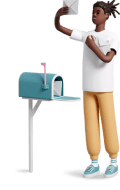
How to Protect Your Gadgets from Power Surges in Nigeria (2026 Guide)
Estimated Reading Time (Full Article): 13–15 minutes
About This Article
This article was prepared by the ELEXBIG™ Editorial Team.
At ELEXBIG, we understand that buying quality gadgets is only part of the investment. Protecting them is just as important. This guide combines practical experience, expert recommendations, and everyday Nigerian realities to help you prevent unnecessary damage caused by unstable electricity and power surges.

The Silent Gadget Killer in Nigerian Homes
Imagine this.
NEPA or your electricity distribution company restores power after several hours of outage.
Everyone is excited.
Fans begin to spin.
The refrigerator starts humming.
Your television lights up.
Then...
Pop!
Your TV goes off.
Your decoder refuses to turn on.
Your laptop charger stops working.
Or worse, your brand-new Smart TV never comes back on.
Many Nigerians have experienced something similar.
Unfortunately, it's often blamed on "bad luck."
It isn't.
In many cases, the real culprit is a power surge.
And the painful part?
Most of this damage can be prevented.
Why This Topic Matters
Technology has become part of everyday life.
Today, the average Nigerian home may have:
- Smartphones
- Laptops
- Smart TVs
- Refrigerators
- Wi-Fi routers
- Gaming consoles
- Washing machines
- Air conditioners
- CCTV systems
Together, these devices can cost millions of naira.
Yet many homes protect them with nothing more than an ordinary extension board.
That's a costly mistake.
What Is a Power Surge?
A power surge is a sudden increase in electrical voltage flowing through your electrical system.
Think of it like this.
Imagine filling a bucket with water.
The bucket is designed to handle a steady flow.
Now imagine opening the tap at full pressure.
Water spills everywhere.
Electricity behaves in a similar way.
Your gadgets are designed to receive a stable amount of power.
When excessive voltage suddenly enters the system, sensitive electronic components can become damaged.
Sometimes the damage is immediate.
Other times it happens gradually over months.
Why Power Surges Are Common in Nigeria
Many countries experience occasional voltage fluctuations.
Nigeria experiences them much more frequently.
Common causes include:
- Power restoration after outages
- Voltage fluctuations
- Faulty electrical wiring
- Transformer issues
- Lightning during heavy storms
- Generator changeovers
- Inverter switching
- Overloaded electrical circuits
Because these situations occur regularly, protecting electronics isn't optional.
It's part of responsible ownership.
Not Every Surge Is Dramatic
Many people believe a surge only happens when lights suddenly become extremely bright.
That's only one example.
Some surges are so small that you barely notice them.
Yet repeated small voltage spikes can slowly damage:
- Laptop chargers
- Phone chargers
- Smart TVs
- Routers
- Gaming consoles
Over time, these minor surges shorten the lifespan of electronic components.
Which Gadgets Are Most Vulnerable?
Some electronics are especially sensitive because they contain delicate internal circuits.
Examples include:
- Smart TVs
- OLED televisions
- Laptops
- Desktop computers
- Gaming consoles
- Wi-Fi routers
- CCTV recorders
- Smart speakers
- Printers
- Network equipment
Large household appliances can also be affected, particularly models that use inverter technology.
Real-Life Nigerian Scenario
Imagine a family in Lagos.
Power goes out several times each day.
Whenever electricity returns, every appliance automatically switches back on.
Nothing seems unusual.
Six months later:
The Smart TV begins restarting randomly.
The Wi-Fi router disconnects frequently.
The refrigerator starts making strange noises.
No single surge caused immediate failure.
Instead, repeated voltage spikes slowly weakened the electronics.
This is how many appliances fail long before they should.
Common Myths About Power Surges
Let's clear up a few misconceptions.
Myth 1
"Only expensive gadgets need protection."
False.
A ₦120,000 smartphone deserves protection just as much as a ₦2 million television.
Myth 2
"An extension board protects everything."
Not always.
Many extension boards simply provide extra sockets.
They do not provide surge protection.
Myth 3
"If the gadget is switched off, it's safe."
Not necessarily.
If it's still plugged into the wall, a major surge can still reach the device.
Myth 4
"Power surges only happen during rain."
Lightning can cause surges.
But everyday switching at transformers, restoration of electricity, and faulty wiring also create them.
The Hidden Cost of Ignoring Power Protection
Let's compare two households.
Home A
Spends money on:
- Quality surge protectors
- Voltage stabilisers where necessary
- Safe electrical practices
Their gadgets continue working for years.
Home B
Buys expensive electronics.
Uses ordinary extension boards.
Never disconnects appliances during severe storms.
Within a few years:
- TV repair
- Laptop charger replacement
- Router replacement
- Refrigerator repair
Suddenly, "saving money" becomes much more expensive.
Power Protection Is Part of Buying Smart
When Nigerians buy a new television, they usually think about:
- Screen size
- Resolution
- Smart features
Very few ask:
"How will I protect this investment?"
The same applies to:
- Laptops
- Refrigerators
- Air conditioners
- Gaming consoles
Protection should be part of the purchase—not an afterthought.
Warning Signs Your Electricity Isn't Stable
You may notice:
- Lights becoming unusually bright
- Lights dimming unexpectedly
- Electronics restarting
- Chargers overheating
- Bulbs failing frequently
- Appliances making unusual sounds
These signs often indicate unstable voltage.
Ignoring them can shorten the lifespan of your gadgets.
ELEXBIG Editorial Insight
One of the biggest misconceptions in Nigeria is that power protection is only necessary after you've experienced damage.
In reality, surge protection is like insurance.
You hope you'll never need it.
But if the unexpected happens, you'll be glad it was there.
Spending a small amount today to protect your electronics is usually far cheaper than replacing them tomorrow.
Quick Risk Assessment
| Gadget | Risk from Power Surges | Protection Recommended |
|---|---|---|
| Smart TV | Very High | Yes |
| Laptop | High | Yes |
| Desktop Computer | Very High | Yes |
| Wi-Fi Router | High | Yes |
| Gaming Console | High | Yes |
| Refrigerator | Medium–High | Yes |
| Air Conditioner | High | Yes |
| Washing Machine | Medium | Yes |
Protection Starts Before Damage Happens
Many people only start thinking about surge protection after a gadget has already been damaged.
By then, it's too late.
A smarter approach is prevention.
Whether you've just bought a new laptop or invested in a large Smart TV, protecting it from unstable electricity should be part of your setup from day one.
Let's look at the most effective ways to do that.
🔌 Use a Genuine Surge Protector
One of the simplest ways to protect sensitive electronics is by using a quality surge protector.
Unlike an ordinary extension board, a surge protector is designed to absorb or redirect excess voltage before it reaches your devices.
It's particularly useful for:
- Smart TVs
- Desktop computers
- Laptops
- Gaming consoles
- Wi-Fi routers
- Home office equipment
ELEXBIG Tip
Don't assume every extension board offers surge protection.
Always check the product description and specifications before buying.
Consider a Voltage Stabiliser
In many Nigerian communities, electricity doesn't remain at a consistent voltage.
You may notice:
- Lights suddenly becoming brighter
- Fans slowing down
- Appliances behaving strangely
A voltage stabiliser helps regulate incoming power, supplying a more stable voltage to connected appliances.
They're commonly used with:
- Refrigerators
- Freezers
- Air conditioners
- Televisions
- Home theatre systems
For expensive appliances, a stabiliser can be a worthwhile investment.
Use a UPS for Important Devices
A UPS (Uninterruptible Power Supply) does more than keep devices running briefly during a power outage.
It also helps reduce the impact of sudden voltage fluctuations.
A UPS is especially useful for:
- Desktop computers
- Network equipment
- CCTV systems
- Home offices
It gives you enough time to save your work and shut down your equipment safely instead of losing power unexpectedly.
Inverter Systems Can Help Too
Many Nigerian homes now use inverter systems.
Besides providing backup electricity, a properly installed inverter can supply cleaner and more stable power than direct mains electricity in some situations.
However, the quality of the inverter, batteries, and installation all matter.
A poorly installed system can create problems instead of solving them.
🔌 Unplug Devices During Severe Storms
Lightning doesn't need to strike your house directly to cause damage.
Nearby strikes can create electrical surges that travel through power lines.
During intense thunderstorms, it's safer to unplug valuable electronics if they're not in use.
This simple habit can prevent costly repairs.
Be Careful When Switching Between Generator and Public Power
Many Nigerian homes alternate between generator power and electricity from the grid.
Switching carelessly can expose appliances to sudden voltage changes.
Good practices include:
- Turning sensitive devices off before changing power sources.
- Allowing power to stabilise before reconnecting electronics.
- Using properly installed transfer switches where possible.
These small steps reduce unnecessary stress on your gadgets.
🚫 Avoid Overloading Extension Boards
One common mistake is plugging too many high-power appliances into a single extension board.
For example:
- Electric kettle
- Microwave
- Refrigerator
- Television
using one overloaded extension can generate excessive heat and increase electrical risk.
Instead:
- Use extension boards only within their rated capacity.
- Keep high-power appliances on dedicated wall sockets where possible.
Check Your Home Wiring
Sometimes the problem isn't the electricity supply.
It's the wiring inside the house.
Old or damaged wiring can cause:
- Voltage drops
- Frequent tripping
- Electrical faults
- Fire hazards
If you notice repeated electrical issues, consult a qualified electrician.
Ignoring faulty wiring can damage gadgets regardless of the protection devices you use.
Protect Chargers Too
People often focus on protecting expensive gadgets while forgetting their chargers.
Laptop chargers, phone chargers, and tablet chargers also contain sensitive electronics.
A damaged charger can:
- Charge slowly
- Overheat
- Fail completely
- Damage connected devices
Using surge protection helps protect both the gadget and its charger.
Small Gadgets Need Protection Too
Power surges don't only affect large appliances.
Smaller devices also benefit from protection.
Examples include:
- Wi-Fi routers
- Smart speakers
- Streaming devices
- CCTV recorders
- Printers
- Modems
Replacing these items repeatedly because of unstable electricity becomes expensive over time.
Choosing the Right Protection
| Gadget | Best Protection |
|---|---|
| Smart TV | Surge Protector + Voltage Stabiliser |
| Refrigerator | Voltage Stabiliser |
| Laptop | Surge Protector |
| Desktop Computer | UPS + Surge Protector |
| Gaming Console | Surge Protector |
| Wi-Fi Router | UPS or Surge Protector |
| Air Conditioner | Voltage Stabiliser |
| CCTV System | UPS |
Remember, some homes may benefit from using more than one protection method depending on their electrical conditions.
🚫 Common Mistakes That Damage Electronics
❌ Buying the Cheapest Electrical Accessories
Very cheap electrical accessories may not provide the protection they claim.
Invest in products from reputable manufacturers.
❌ Ignoring Strange Electrical Behaviour
Flickering lights and repeated voltage changes shouldn't be dismissed as "normal."
They may indicate electrical problems that need attention.
❌ Leaving Everything Plugged In
When travelling or leaving home for an extended period, unplug electronics that don't need to remain connected.
It's a simple habit that reduces risk.
❌ Delaying Repairs
If a stabiliser, surge protector, or electrical outlet appears damaged, replace or repair it promptly.
Protective equipment can't do its job if it's faulty.
ELEXBIG Editorial Insight
We've noticed that many Nigerians are willing to spend hundreds of thousands—or even millions of naira—on electronics, yet hesitate to spend a small amount protecting them.
That's like buying a new car but refusing to service it.
Power protection isn't an unnecessary expense.
It's part of owning electronics responsibly, especially in an environment where electricity can be unpredictable.
Explore Electronics on ELEXBIG
Whether you're buying a Smart TV, laptop, refrigerator, or other electronic devices, choosing quality products is only the first step.
Browse the latest gadgets and electronics on ELEXBIG:
Smartphones & Tablets:
https://elexbig.com/product-categories/smartphones-tablets
Computers & Laptops:
https://elexbig.com/product-categories/computers-laptops
TV & Home Entertainment:
https://elexbig.com/product-categories/tv-home-entertainment
So, What's the Best Way to Protect Your Gadgets?
If you've read Parts 1 and 2, you've probably realised something.
There isn't one magic device that protects every gadget from every electrical problem.
Instead, good protection comes from combining the right habits with the right equipment.
Think of it as building layers of protection.
The more layers you have, the lower your risk.
🏡 A Simple Protection Plan for Nigerian Homes
If you're wondering where to start, here's a practical approach.
Step 1
Protect your most expensive gadgets first.
Examples include:
- Smart TV
- Laptop
- Desktop computer
- Refrigerator
- Air conditioner
These are usually the costliest items to replace.
Step 2
Use the appropriate protection device.
| Gadget | Recommended Protection |
|---|---|
| Smart TV | Surge Protector + Voltage Stabiliser |
| Laptop | Surge Protector |
| Desktop Computer | UPS + Surge Protector |
| Refrigerator | Voltage Stabiliser |
| Wi-Fi Router | UPS or Surge Protector |
| Gaming Console | Surge Protector |
| CCTV System | UPS |
| Air Conditioner | Voltage Stabiliser |
Step 3
Develop safe electrical habits.
Simple routines can prevent expensive repairs.
⚠️ Habits That Can Save You Money
Make these habits part of your routine.
✔ Disconnect sensitive electronics during severe thunderstorms if they're not in use.
✔ Avoid overloading wall sockets and extension boards.
✔ Allow power to stabilise after restoration before switching on expensive appliances.
✔ Replace damaged plugs, sockets, and extension boards promptly.
✔ Keep electronics clean and well ventilated to prevent overheating.
These habits cost little but can significantly reduce the risk of damage.
Should Every Home Have a Voltage Stabiliser?
Not necessarily.
It depends on:
- The appliance.
- The quality of electricity in your area.
- The value of the device.
For expensive appliances such as refrigerators, air conditioners, and premium televisions, a voltage stabiliser is often a worthwhile investment.
For smaller gadgets, a quality surge protector may already provide sufficient protection.
What About Solar and Inverter Systems?
Many Nigerians are switching to:
- Solar power
- Inverters
- Hybrid backup systems
These systems can provide more stable electricity when installed correctly.
However, they should also be:
- Properly sized.
- Professionally installed.
- Maintained regularly.
A poor installation can create electrical problems rather than solve them.
Signs Your Gadget May Have Experienced a Surge
Sometimes damage isn't immediate.
Watch out for:
- Random restarts.
- Unusual overheating.
- Charging problems.
- Flickering displays.
- Strange noises.
- Reduced performance.
- Failure to power on consistently.
If you notice these symptoms after a major voltage fluctuation, have the device inspected before the problem worsens.
Power Protection Checklist
| Question | Yes | No |
|---|---|---|
| Do you use a genuine surge protector? | ☐ | ☐ |
| Do expensive appliances have voltage stabilisers? | ☐ | ☐ |
| Is your home wiring in good condition? | ☐ | ☐ |
| Do you avoid overloading extension boards? | ☐ | ☐ |
| Do you unplug unused electronics during severe storms? | ☐ | ☐ |
| Do you use a UPS for important computers or networking equipment? | ☐ | ☐ |
If you answered "No" to several of these, your electronics may be more vulnerable than you realise.
🚫 Common Mistakes to Avoid
❌ Waiting Until Something Gets Damaged
Many people only buy protection after replacing a damaged TV or laptop.
Preventing damage is almost always cheaper than repairing it.
❌ Buying Fake Electrical Accessories
Very cheap stabilisers and surge protectors may not provide the protection they advertise.
Always buy genuine products from trusted sellers.
❌ Ignoring Electrical Problems at Home
If lights constantly flicker or sockets become unusually hot, don't ignore it.
Faulty wiring can damage electronics and also become a safety hazard.
❌ Protecting Only One Device
Remember that power surges don't choose which gadget to damage.
Your router, laptop, television, and game console all deserve protection.
ELEXBIG Editorial Verdict
If you live in Nigeria, protecting your gadgets from power surges isn't something to postpone until later.
It's part of owning electronics responsibly.
Whether you buy an affordable smartphone or invest in a premium Smart TV, unstable electricity can shorten the lifespan of any electronic device.
The good news is that reducing this risk doesn't always require expensive equipment.
Simple habits, quality surge protectors, suitable voltage stabilisers, and proper electrical practices can go a long way toward protecting your investment.
ELEXBIG Editorial Insight
One thing we've consistently observed is that Nigerians are becoming more willing to invest in quality electronics—but many still underestimate the importance of protecting them.
The truth is, buying the latest gadget is only half the journey.
Keeping it working reliably for years is the other half.
Power protection isn't just about preventing damage.
It's about protecting your money, reducing unnecessary repairs, and enjoying your devices for as long as possible.
Explore Electronics on ELEXBIG
Whether you're upgrading your home office, replacing a television, or buying a new laptop, choosing reliable electronics is the first step.
Explore a wide range of products on ELEXBIG:
Smartphones & Tablets
https://elexbig.com/product-categories/smartphones-tablets
Computers & Laptops
https://elexbig.com/product-categories/computers-laptops
TV & Home Entertainment
https://elexbig.com/product-categories/tv-home-entertainment
Choosing quality products and protecting them properly is the best way to maximise their lifespan.
Frequently Asked Questions
What causes power surges in Nigeria?
Common causes include power restoration after outages, voltage fluctuations, faulty electrical wiring, transformer switching, generator changeovers, and lightning during storms.
Does a regular extension board protect my gadgets?
No. Most standard extension boards only provide additional power outlets. They do not protect against power surges unless they are specifically designed as surge protectors.
Is a surge protector the same as a voltage stabiliser?
No.
A surge protector helps defend against sudden voltage spikes.
A voltage stabiliser regulates fluctuating voltage to provide a more consistent power supply.
Many homes benefit from using both for different appliances.
Should I unplug my gadgets during thunderstorms?
If it's safe to do so and the devices aren't needed, unplugging them during severe storms can reduce the risk of lightning-related power surges.
Is a UPS necessary?
A UPS is highly recommended for desktop computers, networking equipment, and other devices that could lose important data during sudden power outages.
Can power surges damage phone chargers?
Yes. Chargers contain sensitive electronic components and can be damaged by unstable electricity, just like the devices they charge.
Final Thoughts
Power surges are unpredictable.
Replacing expensive gadgets doesn't have to become a regular part of life.
By understanding how unstable electricity affects electronics and taking simple preventive steps, you can extend the life of your devices, reduce repair costs, and enjoy greater peace of mind.
The best time to protect your gadgets isn't after the next power surge.
It's today.
About Author - ELEXBIG Editorial Team

Latest Articles








Featured Articles


Related Articles
How to Buy Gadgets Online Without Getting Scammed in Nigeria (2026 Guide)
Learn how to buy gadgets online safely in Nigeria. Discover scam warning signs, smart buying tips,...
What Is the Best Budget Smartphone Under ₦150k–₦300k in Nigeria?
Looking for the best budget smartphone under ₦150,000–₦300,000? Discover how to choose the right phone based...
How to Know If a Phone or Laptop Is Original in Nigeria (2026 Guide)
Learn how to check if a phone or laptop is original before buying in Nigeria. Discover...