
What Should I Look for Before Buying a Smart TV in Nigeria?
Estimated Reading Time (Full Article): 12–15 minutes
Focus: Real buying mistakes Nigerians make + what actually matters before specs
About This Article
This article was prepared by the ELEXBIG Editorial Team.
Our team researches consumer electronics, home entertainment systems, and smart TV trends in Nigeria to help buyers make smarter decisions. We combine expert analysis with real-life usage experience from Nigerian homes where power instability, internet variation, and budget differences strongly affect buying choices.
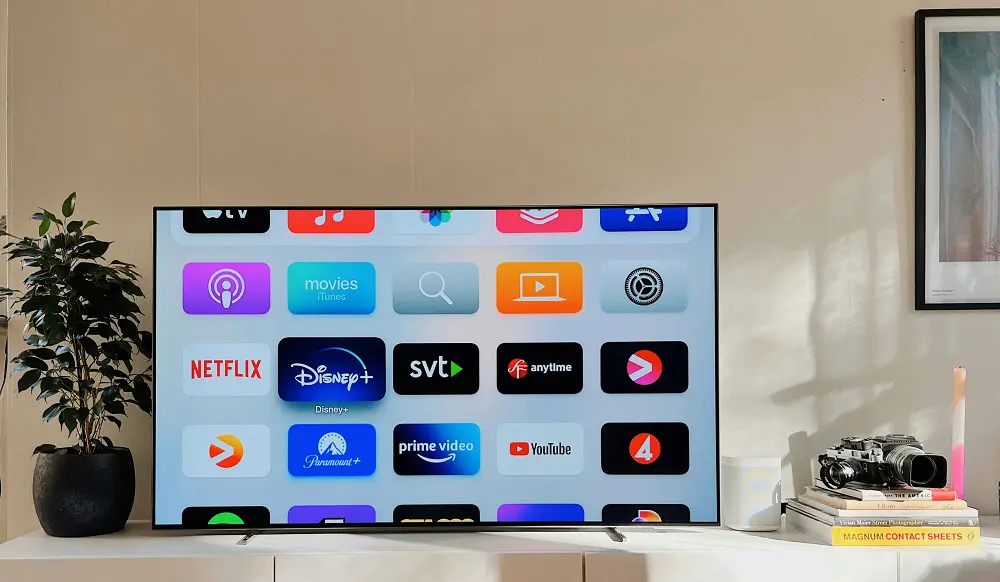
Photo by Oscar Nordon Unsplash
Why Smart TV Buying in Nigeria Is Not the Same as Anywhere Else
If you walk into any electronics store in Lagos, Onitsha, Aba, or Computer Village Ikeja, one thing becomes obvious immediately:
Smart TVs are everywhere — but confusion is even more everywhere.
Two TVs may look the same on the outside, same size, same brand name, even similar price… yet one will perform smoothly for years while the other will start frustrating you after a few months.
This is where most Nigerians make mistakes.
People often buy Smart TVs based on:
- Size only (“let me just take 55 inches”)
- Price only (“what is cheapest?”)
- Brand hype (“Samsung or nothing”)
- Screen appearance in the shop
But in real usage — especially in Nigeria — those are NOT the most important factors.
Because Nigeria adds a unique layer to TV usage:
- Unstable electricity
- Mixed internet quality
- Generator usage
- Satellite + streaming combination
- Budget constraints
- Shared family usage (not single-user households)
So choosing a Smart TV here is not just about “smart features” — it’s about survival performance under Nigerian conditions.
What a Smart TV Really Is (Simple Explanation)
A Smart TV is not just a television.
It is basically:
A television + internet system + apps + operating system
Meaning it can:
- Connect to Wi-Fi
- Stream Netflix, YouTube, Prime Video
- Install apps (depending on OS)
- Sometimes mirror your phone or laptop
- Function like a basic computer for entertainment
But here is the truth many sellers won’t tell you:
Not all Smart TVs are actually “smart” in the same way.
Some are powerful.
Some are slow.
Some depend heavily on external devices like Android boxes or Firesticks.
⚠️ The First Big Mistake Nigerians Make When Buying Smart TVs
Before we go into specs, let’s talk about something important.
Most people buy “hardware”… but forget “software experience”
A Smart TV is not just:
- Screen size
- Resolution
- Brand
It is also:
- Operating system speed
- App performance
- Remote responsiveness
- Updates support
This is why two TVs with identical specs can feel completely different in real life.
Real-Life Nigerian Scenario (Very Common)
Imagine this:
A buyer in Lagos buys a 50-inch Smart TV because:
- It looks big and beautiful in the shop
- It has YouTube and Netflix
- It’s cheaper than Samsung
After 2 months:
- Netflix starts lagging
- Remote becomes slow
- Apps take time to open
- Sometimes it freezes during football matches
Meanwhile, someone else buys a slightly more expensive but better-optimized TV and:
- Streams smoothly
- Handles generator power fluctuations better
- Lasts longer without frustration
Same “Smart TV” label — completely different experience.
What Actually Matters Before Buying a Smart TV
Let’s break it down properly.
1. Operating System (THIS IS THE MOST IMPORTANT)
This is where many Nigerians get it wrong.
A Smart TV can run on:
- Android TV
- Google TV
- WebOS (LG)
- Tizen (Samsung)
- Generic/unknown systems
Comparison Table
| OS Type | Performance | App Availability | User Experience |
|---|---|---|---|
| Android TV | Good | Very High | Flexible |
| Google TV | Excellent | Very High | Smooth + modern |
| WebOS (LG) | Very Smooth | Medium | Simple + stable |
| Tizen (Samsung) | Very Smooth | Medium-High | Premium feel |
| Generic OS | Weak–Average | Limited | Often frustrating |
Key Insight:
In Nigeria, avoid TVs with unknown or unbranded operating systems unless you are pairing them with a streaming device.
2. Internet Reality in Nigeria (Very Important)
Many people buy Smart TVs thinking:
“I will just stream everything.”
But Nigerian internet reality includes:
- Data limitations
- Network fluctuations
- Peak-hour slowdowns
- Shared Wi-Fi usage
So your TV should support:
- Offline usage (satellite input)
- External devices (HDMI ports)
- Screen mirroring
- External streaming devices (Firestick, Android box)
Smart TV is not enough — you need flexibility.
3. Screen Size vs Room Reality (Most Misunderstood Factor)
People often think:
“Bigger TV = better TV”
Not true.
Real guide:
| Room Type | Ideal Size |
|---|---|
| Small bedroom | 32–43 inches |
| Standard sitting room | 43–55 inches |
| Large living room | 55–75 inches |
Nigerian mistake:
Buying 65-inch TV in a small room = poor viewing experience + neck strain
4. Resolution (4K, Full HD — What Actually Matters)
Resolution is important, but not always necessary.
| Resolution | Best For |
|---|---|
| HD (720p) | Small TVs, budget use |
| Full HD (1080p) | Mid-range viewing |
| 4K UHD | Large screens, premium experience |
Truth:
In Nigeria, 4K is only fully useful if you have strong internet or external content source.
Otherwise, you may not even notice the difference on smaller screens.
5. Power Consumption (VERY IMPORTANT IN NIGERIA)
Electricity instability means:
- Generator usage
- Inverter dependency
- Power fluctuations
So look for:
- Energy-efficient models
- Low power consumption ratings
- Voltage protection
Smart TV that consumes too much power = hidden long-term cost
Internal Linking Opportunity (ELEXBIG)
When exploring Smart TVs, users often also need related devices:
- Streaming devices & accessories
https://elexbig.com/categories - TV & home entertainment products
https://elexbig.com/product-categories/tv-home-entertainment
The Hidden Truth About Smart TVs in Nigeria
Here is something most buyers only learn after purchase:
A Smart TV is only as good as its ecosystem.
Meaning:
- Internet quality matters
- App support matters
- External device compatibility matters
- Power stability matters
So your decision should NOT be:
“Which Smart TV should I buy?”
But instead:
“Which Smart TV works best in my home setup?”
The Truth About Smart TV Brands in Nigeria
If you spend time in electronics stores in Lagos, Abuja, or Onitsha, you’ll notice something quickly:
Almost every seller will confidently tell you that their brand is “the best.”
But in reality, Smart TV performance in Nigeria is not just about the brand name—it’s about how that brand behaves under Nigerian conditions.
Let’s break it down honestly.
The Major Smart TV Brands Nigerians Buy
These are the most common brands in the Nigerian market:
- Samsung
- LG
- Hisense
- Sony
- TCL
- Skyworth
- Bruhm / lesser-known budget brands
But here’s the important part:
Each brand has strengths and weaknesses depending on usage, not popularity.
Brand Comparison (Real-World Nigerian Performance)
| Brand | Strengths | Weaknesses | Best For |
|---|---|---|---|
| Samsung | Premium display, smooth OS, strong build | Expensive, repairs cost more | Premium users, long-term buyers |
| LG | Very stable WebOS, easy interface | Limited apps vs Android TV | Families, simple users |
| Hisense | Affordable, good value, decent features | Software can feel basic | Budget buyers |
| Sony | Excellent picture & sound | Very expensive | Cinematic experience |
| TCL | Good Android TV experience | Build quality varies | Mid-range buyers |
| Skyworth | Cheap entry point | Slower OS, weaker updates | Tight budgets |
What Nigerians Don’t Realize About Smart TV Brands
Most people think:
“If I buy Samsung or LG, I’m safe.”
That is partially true—but incomplete.
Because in Nigeria, your experience depends on:
- Electricity stability
- Internet quality
- Usage habits (streaming vs satellite)
- External devices (Firestick, decoder, Android box)
So a “premium brand” can still feel frustrating if your setup is poor.
Hidden Truth #1: The OS Matters More Than the Brand
Many Nigerians buy Smart TVs based only on brand name, but ignore something more important:
The operating system (OS)
Even within the same brand, experience differs:
- Samsung (Tizen OS) = smooth, stable
- LG (WebOS) = simple, fast navigation
- TCL/Hisense (Android TV) = flexible but sometimes slower on low RAM models
Real-life example:
A Samsung 43-inch and a TCL 43-inch may both show Netflix—but:
- Samsung opens apps faster
- TCL may lag slightly when switching apps
That difference becomes annoying over time.
Hidden Truth #2: RAM + Processor Decide Long-Term Performance
Sellers rarely explain this properly.
Smart TVs are like smartphones—they have:
- RAM
- Processor
- Storage
But here’s what matters:
| Spec | What It Affects |
|---|---|
| RAM | App speed & multitasking |
| Processor | Overall smoothness |
| Storage | App installation limit |
A cheap Smart TV often has:
- Low RAM (1GB–1.5GB)
- Weak processor
- Limited storage
That’s why it starts freezing after some months.
Hidden Truth #3: “Smart TV” Can Be Fake Smart
This is one of the biggest traps in the Nigerian market.
Some TVs are labeled:
“Smart TV”
But in reality:
- They only support YouTube
- No real app store
- No updates
- Very limited OS
These are basically “basic TVs with internet features”
Warning signs:
- No Google Play Store
- Unknown OS name
- Extremely cheap for size
- No official brand website
Sound Quality — The Most Ignored Problem
Many buyers focus only on picture quality.
But in Nigeria, sound matters a lot because:
- Many homes don’t use external sound systems
- Watching football, movies, and Nollywood requires strong audio
- Power issues discourage extra devices
Reality check:
| TV Type | Sound Experience |
|---|---|
| Samsung / LG | Clear, balanced |
| Budget TVs | Weak bass, low volume |
| Thin modern TVs | Often disappointing without soundbar |
Many Nigerians end up buying soundbars later—an extra cost they didn’t plan for.
Internet Dependency vs Reality in Nigeria
Smart TVs assume:
- Stable Wi-Fi
- Unlimited streaming
- Fast internet speeds
But Nigerian reality:
- Data is expensive
- Networks fluctuate
- Many users rely on mobile hotspot
So the best setup is often:
Smart TV + decoder + occasional streaming device
Not streaming-only usage.
Real Nigerian Use Case Scenario
Let’s break it down:
Household A (Smart setup)
- LG Smart TV
- Wi-Fi router
- Netflix + YouTube
- Occasional satellite TV
✔ Smooth experience
Household B (Real Nigerian setup)
- Hisense Smart TV
- Mobile hotspot
- DSTV decoder
- Occasional YouTube
✔ Works fine—but depends heavily on flexibility
Household C (Problem setup)
- Cheap Smart TV
- Weak Wi-Fi
- No external device
❌ Constant frustration
❌ Buffering
❌ Lagging apps
Internal Link (Helpful for Buyers)
If you’re exploring Smart TVs or home entertainment setups:
https://elexbig.com/product-categories/tv-home-entertainment
You’ll find different TV categories, sizes, and entertainment devices that match different budgets and usage needs.
ELEXBIG Editorial Insight
One of the biggest mistakes we see in the Nigerian market is this:
People buy Smart TVs like they are buying decoration, not a system.
But in reality:
A Smart TV is part of a home entertainment ecosystem, not a standalone product.
So your decision should include:
- Internet source
- Sound solution
- Room size
- Power stability
- External devices
How to Finally Choose the Right Smart TV (Without Regrets)
By now, you already understand something very important:
Buying a Smart TV in Nigeria is not just about brand or size—it’s about real-life performance.
But here’s where many buyers still get stuck:
- “Which one is actually worth my money?”
- “How do I avoid regret after buying?”
- “What if I choose wrong?”
Let’s fix that here.
The Golden Rule of Smart TV Buying in Nigeria
Before anything else, remember this:
A Smart TV should match your lifestyle, not your showroom imagination.
Meaning:
- Don’t buy for aesthetics alone
- Don’t buy for “future potential”
- Don’t buy because someone else has it
Buy based on:
- Your room
- Your internet
- Your power situation
- Your usage style
The Complete Smart TV Buying Checklist (Nigeria Edition)
Use this checklist before paying for any Smart TV:
1. Screen Size vs Room Distance
| Room Type | Ideal Size |
|---|---|
| Small bedroom | 32–43 inches |
| Medium sitting room | 43–55 inches |
| Large living room | 55–75 inches |
Mistake Nigerians make:
Buying 65-inch TV for small rooms = eye strain + poor experience
2. Operating System Check
Ask this before buying:
- Is it Android TV or Google TV?
- Does it support Play Store?
- Can it update apps?
- Is it fast when navigating menus?
If the answer is unclear = avoid it.
3. RAM & Performance (Hidden but important)
| RAM Level | Performance |
|---|---|
| 1GB | Basic, may lag |
| 1.5–2GB | Average |
| 2GB+ | Smooth experience |
If you want long-term use, don’t go too low.
4. Internet Flexibility
Your Smart TV should support:
- Wi-Fi connection
- Screen mirroring
- HDMI input for external devices
- USB playback
Nigerian reality: You will likely use multiple sources.
5. Sound Setup Decision
Ask yourself:
- Will I use external speakers or not?
If NO:
- Choose TV with strong built-in speakers
If YES:
- You can prioritize picture quality over sound
6. Power Efficiency
In Nigeria, electricity matters more than most people think.
Look for:
- Low power consumption
- Voltage protection
- Energy-saving mode
This reduces generator + inverter stress.
⚠️ Common Mistakes Nigerians Make When Buying Smart TVs
❌ Mistake 1: Buying based on size only
Bigger is not always better.
❌ Mistake 2: Ignoring OS quality
Slow TV = daily frustration.
❌ Mistake 3: Falling for “cheap Smart TV deals”
If it is too cheap, check:
- RAM
- OS type
- Brand reputation
❌ Mistake 4: Not checking compatibility
Many buyers forget:
- HDMI ports
- Sound system support
- Streaming device compatibility
❌ Mistake 5: Assuming all Smart TVs stream smoothly
Streaming depends on:
- Internet quality
- TV performance
- App optimization
Not just the TV itself.
Price vs Value Reality in Nigeria
Let’s be honest:
| Price Range | Expectation |
|---|---|
| Low budget TVs | Basic smart features |
| Mid-range TVs | Balanced performance |
| Premium TVs | Smooth experience + durability |
Key insight:
Value > Price
A slightly expensive TV that lasts 5 years is cheaper than a cheap one replaced every 2 years.
Smart Decision Framework (Simple Method)
Before buying, use this 4-step method:
1. Define usage
- Movies?
- Sports?
- Gaming?
- Business display?
2. Check environment
- Room size
- Internet stability
- Power situation
3. Choose ecosystem
- Android TV / LG / Samsung OS
4. Confirm long-term value
- Warranty
- Support
- Durability
Nigerian Reality: What Actually Works Best
After analyzing real usage patterns, here is the truth:
Best-performing setup in Nigeria is usually:
- Mid-range Smart TV (not cheapest, not flagship)
- Stable OS (LG / Samsung / Android TV with good RAM)
- External streaming option (Firestick or Android box)
- Optional soundbar
- Hybrid usage (decoder + streaming)
This setup gives the least regret.
Internal Link (ELEXBIG Category)
Explore available Smart TVs and entertainment devices here:
https://elexbig.com/product-categories/tv-home-entertainment
You can compare different screen sizes, brands, and entertainment setups based on your budget and needs.
ELEXBIG Editorial Insight
One thing we consistently see in the Nigerian electronics market is this:
Buyers regret their Smart TV purchase not because they chose the wrong brand—but because they ignored usage reality.
The smartest buyers don’t ask:
- “Which TV is best?”
They ask:
- “Which TV will still feel good after 2 years of daily use in my home?”
That shift in thinking is what saves money.
❓ Frequently Asked Questions (FAQs)
1. What size Smart TV is best for Nigerian homes?
43–55 inches is ideal for most sitting rooms. Smaller rooms should stick to 32–43 inches.
2. Is Android TV better than Smart TV?
Android TV is a type of Smart TV OS. It is usually better because it supports more apps and updates.
3. Do Smart TVs work without internet?
Yes, you can use satellite (DSTV), USB, or HDMI even without internet.
4. Is 4K necessary in Nigeria?
Not always. It depends on screen size and content quality. 4K is best for larger screens and strong internet users.
5. What is the most reliable Smart TV brand in Nigeria?
Samsung, LG, and Hisense are the most commonly reliable depending on budget and usage.
6. Why do some Smart TVs become slow?
Low RAM, weak processors, or overloaded apps cause slow performance over time.
Final Summary
Choosing a Smart TV in Nigeria is not just a purchase—it’s a setup decision.
To avoid regret:
- Match TV size with your room
- Prioritize OS quality over brand hype
- Think about internet and power reality
- Avoid overly cheap options
- Focus on long-term value
About Author - ELEXBIG Editorial Team

Latest Articles




Featured Articles
Related Articles

Samsung Galaxy Z Fold 8 Review: Is It Worth Buying in 2026?
Read our in-depth Samsung Galaxy Z Fold 8 review for Nigerian buyers. Explore its design, Galaxy...

New Consumer Electronics in 2026: The Gadgets Everyone Will Be Talking About
Stay ahead of the latest technology trends with ELEXBIG's guide to the newest consumer electronics in...
Types of Health Tracking Wearables: A Complete Guide for Nigerians
Learn about the different types of health tracking wearables, including smartwatches, fitness bands, smart rings, and...